
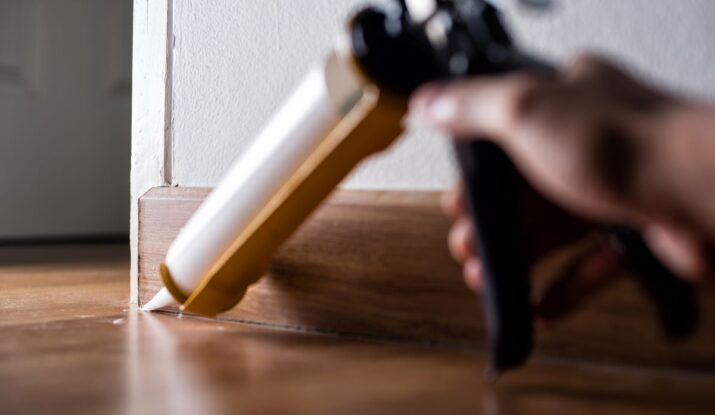
You walk across the kitchen. Winter’s over. You spot it – a thin dark line between two planks. A gap. Maybe the kids ran through too much. Or the air got dry. That little split stares back at you every morning. That’s where laminate floor gap filler comes in. But here’s the catch: not every open space needs a goopy paste. Some you fill. Some you absolutely do not. You push the boards back together instead. Other times, you just live with it.
This article cuts the clutter. You’ll find out when a tube of putty actually helps, which brands hold up, and when a metal pull bar works better than any squeeze bottle. You’ll also know when your only move is to rip out that row and start over. No fluff. Just straight talk for a fix that sticks.
Quick Answer
Can you use laminate floor gap filler?
Yes – but only for small, shallow gaps. Use a color‑matched putty or repair crayon. For wide plank separation, don’t fill it; pull the boards back together with a tapping block and pull bar. And never fill the ¼‑inch expansion gap around the walls – leave it empty.
What Is Laminate Floor Gap Filler?
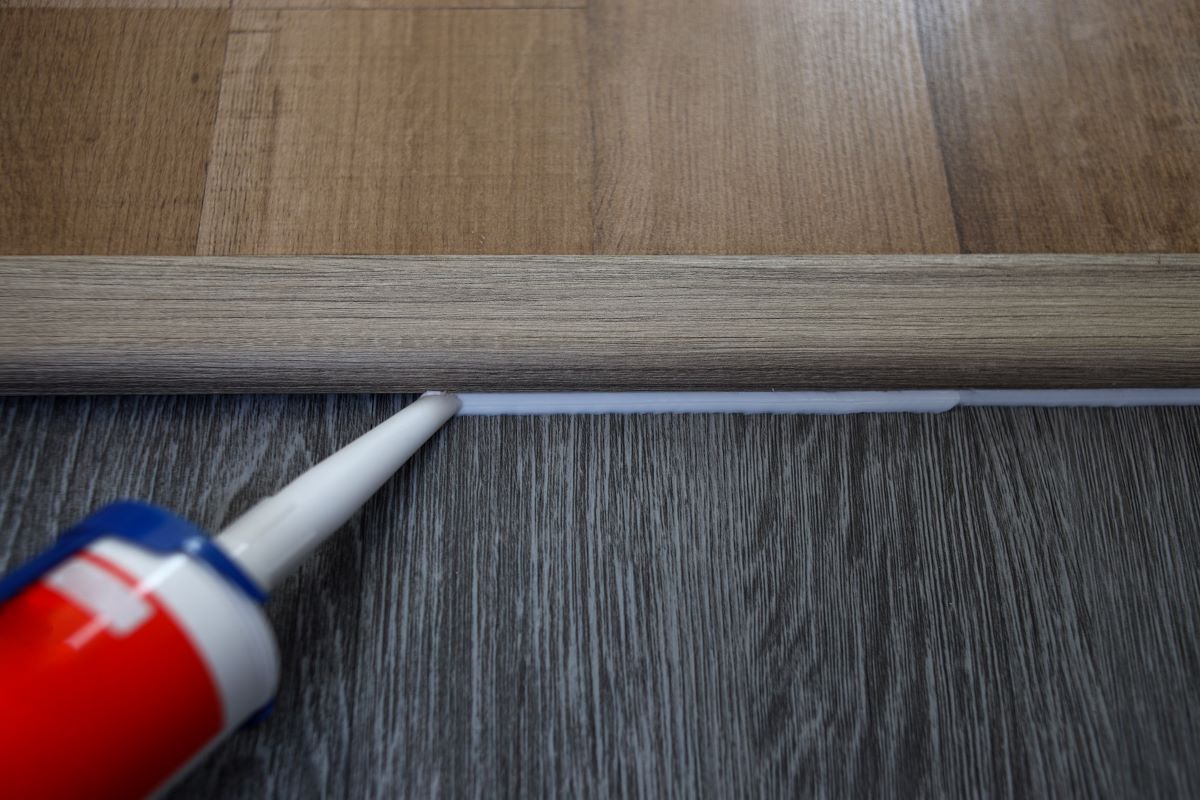
Laminate floor gap filler is a soft and spreadable material. It hides cracks, scratches, and small spaces between planks. It comes as a paste, a wax stick, or a squeeze-out gel. You push it into the trouble spot. Wipe off the extra. And the dark line vanishes. The floor looks whole again.
But it’s only a cover-up. It doesn’t fix loose boards. It doesn’t stop them from shifting also. It just sits in the gap matching your floor’s color so your eye skips right over it.
How It Works
Using filler is simple. You clean the crack, press the material in with your finger or a small blade, then scrape away the overflow. Within minutes or hours – depending on the type – it sets. The gap disappears from sight. Your foot might not even feel it.
Types of Laminate Floor Gap Fillers
Not every filler works for every job. Here’s what you’ll find on the shelf:
| Type | What It Is | Best Use |
| Putty | Soft paste in a tub | Dents, nail holes, shallow chips |
| Wax stick | Crayon-like bar | Surface scratches, quick touch-ups |
| Squeeze tube | Liquid or gel with fine tip | Thin hairline gaps between planks |
| Acrylic sealant | Flexible caulk-like compound | Small gaps that need some give |
| Resin-based | Two-part mix that hardens | Deep damage – but less forgiving |
Flexible vs. Hard Fillers – Which One Wins?
This choice can make or break your repair.
- Flexible fillers stay rubbery after drying. They bend when planks expand in summer or shrink in winter. They’re the safer pick for laminate because the floor never stops moving.
- Hard fillers dry stiff. They look smooth and hold up to foot scuffs. But they crack or pop out the moment the plank shifts. On a floating floor, that shift happens all the time.
- For laminate, flexible is almost always the better bet. Hard filler works for real wood nailed to the subfloor – not for boards that float.
Why Laminate Flooring Expands and Contracts
Laminate is a floating floor. That means it’s not screwed, glued, or nailed down. It rests on foam underlayment, with planks locked together at the edges.
The core contains wood fiber. Wood responds to moisture. When the air gets humid, the core swells. Planks push outward. When the air dries out – think winter with the heat cranking – the core shrinks. Planks pull back from each other.
That’s normal. That’s why installers leave a ¼‑inch expansion gap around every wall. Baseboards hide it. That empty ring gives the floor room to breathe.
Important: Never fill that edge gap. If you do, the floor has no place to go. It buckles, warps, or pops its own locks apart. The only gaps you should fill are the visible ones between planks – the ones your eyes catch when you walk across the room.
Laminate Filler vs. Wood Floor Gap Filler
They look similar. They’re not the same.
- Wood filler is harder, grainier, and often sandable. It’s made for solid hardwood that’s nailed in place.
- Laminate filler is softer and more forgiving. It bends without breaking when the floor moves.
Using wood filler on laminate usually ends in crumbles within weeks. Stick with products clearly labeled for laminate flooring. They’re designed to handle the float.
When Does Gap Filler Actually Work?
Gap filler shines in certain spots. Here’s where it earns its keep.
Hairline gaps – those thin, pencil-line cracks between planks. Filler sinks in, dries smooth, and you forget it was ever there.
Small cosmetic cracks – surface-level splits that don’t go deep. A dab of laminate repair paste hides them fast.
Minor chips – little nicks along the edge from dropped objects or dragged furniture. Wax sticks work wonders here.
Surface damage – scratches that cut through the top photo layer but don’t reach the core. Color-matched putty blends them right in.
For these issues, a tube of wood putty for laminate or a pot of laminate repair paste does the job. Quick, cheap, and effective.
When You Should NOT Use Gap Filler
Some gaps need a different approach – or a professional. Skip the filler in these cases.
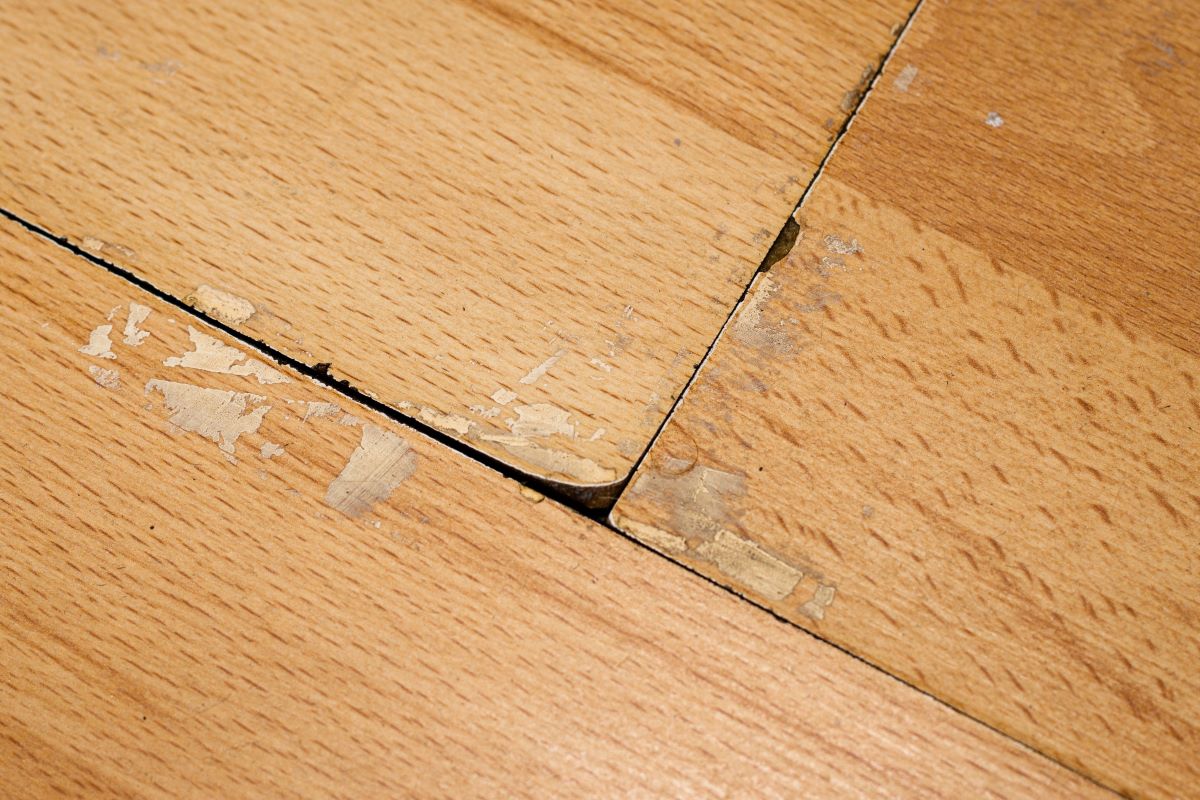
Large plank separation – if you can fit a coin in the crack, filler won’t hold. It’ll sink, crack, or pop out. You need to pull the boards back together.
Click-lock failure – when the locking mechanism breaks, filler can’t fix it. The boards won’t stay put. Replacement is the real answer.
Moisture damage – swollen edges, dark stains, or spongy spots mean water got in. Filler covers nothing. The rot underneath keeps spreading.
Warped planks – boards that curl, cup, or buckle are beyond putty. They need to come out.
Broken locking system – if the tongues or grooves are snapped, no amount of paste creates a stable joint.
Professional advice: If you’re unsure, call a flooring contractor. A quick look saves you time and money. Filling the wrong gap just masks a bigger problem.
Most Common Causes for Laminate Floor Gaps?
Gaps don’t appear for no reason. Here’s what brings them on.
- Seasonal temperature changes – summer swells the planks. winter shrinks them. That back-and-forth pulls boards apart over time.
- Poor installation – rushed work, missed clicks, or tight spots create weak joints from day one.
- Uneven subfloor – dips and bumps make planks rock. That strain cracks the locks open.
- Expansion problems – no room around the edges? The floor pushes against nearest walls and forces gaps in the middle.
- Heavy traffic – constant footsteps, rolling chairs, and kids running wear down the locking edges.
- Furniture movement – sliding heavy pieces across the floor drags planks out of position.
- Water damage – spills or leaks seep into joints. The core swells, then shrinks back, leaving permanent gaps.
Keeping indoor humidity steady – around 40–60% – helps planks contract naturally less often. Leveling the subfloor before installation protects affected planks against shifting later.
Best Laminate Floor Gap Filler Products Compared
Here’s a side-by-side look at common options. Use this as your quick reference.
| Product Type | Best For | Flexible | Approx Price |
| Laminate Repair Paste | Surface scratches | Yes | $$ |
| Acrylic Gap Filler | Small gaps | Yes | $$ |
| Latex Putty | Hairline gaps | Yes | $$ |
| Color-Matched Wood Putty | Tiny cosmetic gaps | Slightly | $ |
| Flexible Sealant | Expansion areas | Yes | $$ |
What to look for:
- Color match – the closer the shade, the better the hide. Bring a plank sample to the store if you can.
- Flexibility – check the label. If it says “flexible” or “acrylic,” it’ll move with the floor. Rigid fillers crack.
- Ease of use – squeeze tubes are mess-free. Wax sticks need buffing. Putty requires a knife.
Pro Tip Box – Dr. Cabinet Advice
Never use rigid epoxy on floating laminate floors. It often cracks after seasonal movement. That hard shell can’t handle the shrink and swell. Stick with flexible sealant for laminate – it lasts longer and looks better.
Floor Gap Fixer Tool vs Gap Filler
These two solve different problems. Don’t mix them up.
- Gap filler repairs the surface. It hides small piece cracks and scratches. It’s cosmetic.
- Floor gap fixer tool moves planks back together. It’s a mechanical fix. It closes wide separations by pulling or tapping boards into place.
The tool usually comes with suction cups or double-sided tape. You attach it to the loose plank, then tap the other end with a rubber mallet. The plank slides shut. The gap closes without any paste.
When to use each:
| Situation | Use |
| Thin hairline crack | Filler |
| Visible dark line between planks | Filler |
| Plank drifted ⅛ inch or more | Gap fixer tool |
| Multiple boards shifted together | Gap fixer tool |
| Broken lock joint | Neither – replace the plank |
Step-by-Step – How to Fix Laminate Floor Gaps with a Tool
- Clean the gap – remove dust and debris so nothing blocks the slide.
- Attach the floor gap fixer tool – stick the suction cup or adhesive pad firmly onto the loose plank.
- Slide the plank – position the tool’s striker plate against the adjacent board.
- Tap gently using a rubber mallet – light strikes move the plank slowly. Don’t overdo it.
- Remove excess adhesive – peel off tape or suction cup. Wipe any residue.
- Check alignment – make sure the seam is tight and even with neighboring planks.
This method works wonders. It’s clean, fast, and leaves no mess.
How to Apply Laminate Floor Gap Filler Correctly
A good application makes all the difference. Follow these steps.
Preparation
- Sweep or vacuum the gap. Any dust or crumbs stop the filler from sticking.
- Wipe the area with a slightly damp rag. Let it dry completely.
- If the gap is deep, stuff a thin foam backer rod in first – it saves filler.
Application
- Scoop a small amount of putty or squeeze a thin line of gel directly into the gap.
- Press it down with a putty knife or your fingertip. Work it in so no air pockets remain.
- Overfill slightly – the material shrinks as it dries.
Wiping Excess
- Wait a few minutes for the filler to firm up.
- Run a plastic scraper or old credit card across the surface to level it.
- Wipe away the leftover with a damp rag. Don’t soak the floor – just a light pass.
Final touch
- Let it cure per the manufacturer instructions. Some dry in an hour. Others need overnight.
- Walk on it gently at first. Heavy traffic can wait a day.
Floor Color Match
Color matters. A bad match stands out worse than the gap itself.
Why color matters – laminate comes in hundreds of shades. Oak, walnut, maple, gray, whitewashed. The right filler blends in. The wrong one screams “patch job.”
Buying closely matching shades – bring a spare plank or a clear photo to the hardware store. Hold tubes next to your floor in natural light. Store lighting lies.
Testing first – dab a tiny dot on an unseen spot – under the fridge or behind the sofa. Let it dry. Check the color. If it’s off, try another shade.
Good to Know Box
Small gaps sometimes disappear when humidity rises. Before you reach for a tube, wait a few weeks. If summer’s coming, the boards might swell shut on their own. Don’t rush to fill every gap.
Can Wood Filler Be Used to Fill Gaps in Laminate Floors?
Short answer: usually not. Here’s why.
| Product | Made For | Flexible? | Works on Laminate? |
| Wood filler | Solid hardwood floors | No – dries hard | Poor – cracks and falls out |
| Wood putty | Finished wood surfaces | Slightly | Fair – but color match is tricky |
| Laminate repair paste | Laminate flooring | Yes | Excellent – made for the job |
Wood filler contains solvents that can stain or melt the laminate’s top layer. It also dries rigid. Laminate moves. That combo fails fast.
If you’re in a pinch and only have wood putty for laminate, test it in a closet first. But honestly, buy the right stuff. A $10 tube of laminate filler saves you from redoing the work next month.
Common Mistakes Homeowners Make
Even handy folks trip up. Here’s what to avoid.
Using wood glue – it dries hard and yellow. It won’t flex. It makes a mess. And it’s nearly impossible to remove.
Filling expansion gaps – that ¼‑inch space around the walls is not a defect. It’s essential. Fill it, and your floor buckles. Guaranteed.
Ignoring moisture – gaps that keep coming back often mean damp subfloor or high humidity. Filler hides the symptom. It doesn’t cure the sickness.
Using too much filler – globbing it on creates a lumpy surface. Less is more. Wipe off the extra while it’s wet.
Not cleaning first – dust and grit prevent adhesion. The filler dries, shrinks, and falls out within days.
Real contractor experience: I’ve seen floors ruined by well-meaning DIYers. One guy filled his entire perimeter gap with caulk. Summer hit. The floor lifted like a tent. Cost him $2,000 to replace. Don’t be that guy.
How Much Does Laminate Floor Gap Repair Cost?
Costs vary by method. Here’s a ballpark.
| Repair | Average Cost |
| DIY filler | Low – under $15 |
| Gap fixer tool | Moderate – $22–60 |
| Professional repair | Higher – $150–400 per visit |
| Replace damaged plank | Highest – $200–600 per plank (labor included) |
What you’re paying for:
- Repair paste – $8–15 per tube or pot. Enough for multiple small jobs.
- Floor gap fixer tool – a one-time purchase. Works across multiple rooms.
- Professional – they bring tools, experience, and often fix gaps with hidden issues.
- Replacement – involves cutting out the plank, prepping the subfloor, and clicking in a new board.
Transition strips between rooms can add another $20–50 if gaps appear at doorways.
Frequent gaps mean that the laminate flooring has a hidden installation problem. Dr. Cabinet services repair damaged flooring and cabinet surfaces across the U.S. We can determine the real cause before the damage spreads.
How to Prevent Laminate Floor Gaps
Stop gaps before they start. Follow these habits.
- Acclimate new flooring for 48 hours – let planks sit in the room before installation. They adjust to your home’s humidity.
- Maintain indoor humidity levels– keep it between 40–60%. Use a humidifier in winter, a dehumidifier in summer.
- Leave expansion gaps – ¼‑inch around all walls. Don’t skip this.
- Level the subfloor – fix dips and bumps before laying anything down. A flat base means fewer stressed joints.
- Fix leaks quickly – water under the floor weakens locks from below.
- Avoid dragging furniture – lift, don’t slide. Use felt pads under legs.
- Follow installation instructions – each brand has its own rules. Read the booklet.
When Should You Replace the Laminate Planks Instead?
Filler and tools fix many issues. But some floors are past saving. Replace when:
- Locking edges break – the tongue or groove is snapped. No filler recreates that connection.
- Moisture damage exists – dark stains, soft spots, or mold mean the core is ruined.
- Swelling occurs – edges puff up like a sponge. That won’t flatten out.
- Planks delaminate – the top photo layer peels away from the core. You can’t glue it back.
- Repeated repairs fail – you’ve filled the same gap three times. It keeps opening. Something deeper is wrong.
In these cases, replacement costs more upfront. But it stops the cycle. One clean fix beats years of patching.
FAQ
Can you fill gaps in laminate flooring?
Yes – but only small, shallow ones. Use a flexible, color-matched laminate repair paste or wax stick. For eliminating gaps wider than a few millimeters, pull the planks together instead of filling them.
Is there a wood filler for gaps in laminate flooring?
Wood filler is not right for laminate. It dries too hard. It doesn’t move with the floor. Use the one made for laminate. Such as putty or sealant.
How do you fix laminate flooring gaps without replacing it?
Two ways. For small gaps, apply filler. For larger and noticeable gaps, use a floor gap fixer tool. It has suction cups and a mallet to slide the plank back into place.
How do you cover an expansion gap on a laminate floor?
You don’t. You hide it with baseboards, quarter-round, or shoe molding. Never fill it with caulk, foam, or putty. It needs to stay empty for the floor to move.
Why do laminate floor gaps appear every winter?
Dry winter air shrinks the wood core. Planks pull apart. When humidity returns in spring, they often close back up. That’s normal behavior for a floating floor.
Should I use a floor gap fixer tool or gap filler?
Depends on the gap. If it’s thin and cosmetic, use filler. If the plank has visibly drifted, use the tool to pull it back. Don’t use filler on wide separations – it won’t hold.
Conclusion
Repairing and filling gaps are two different jobs. Filler hides surface cracks and small cosmetic blemishes. It’s quick, cheap, and works well for hairline splits. But wider gaps need mechanical force – a pull bar or tapping block to slide boards back where they belong.
The right fix depends on the size of the gap and what caused it. Seasonal shifts? Normal. Poor installation? Fix the root, not the symptom. Water damage? Replace the plank.
Keep a tube of laminate floor gap filler in your toolbox for touch-ups. But don’t rely on it for everything. If gaps keep coming back, look under the floor – not at the surface. Sometimes the smartest move is calling a pro before the same problem grows.
Your floor should look good and last long. Pick the right tool for the job. Do it once. Move on to something else.