
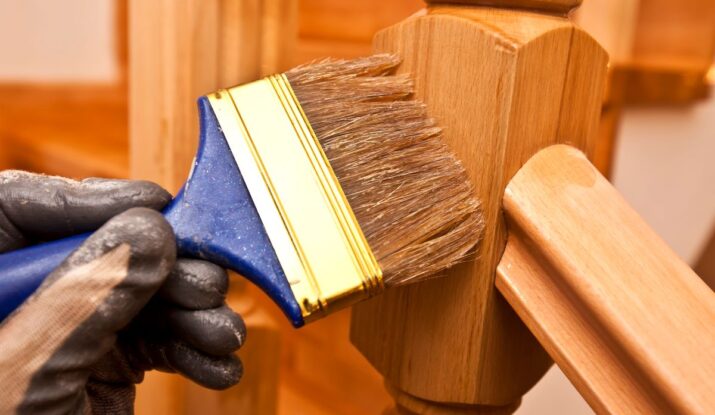
You pull your dining room chair back. The light hits the table just right. And there they are. A web of fine scratches, a dull white ring from a hot coffee mug. Looks rough, right? You think you gotta sand the whole thing down. Hold up. Before you clear a whole weekend, let me tell you about something simpler. A good restoration furniture polish fixes jobs that look way worse than they really are.
We’ve done thousands of cabinet and wood jobs over the years. First thing we tell people? You usually don’t need to strip wood to save it. Just the right product and a bit of know-how.
Quick Answer: Can you really restore a wood finish without sanding?
Yeah, you can. A penetrating restoration polish blends out light scratches and water rings by putting oils back where they belong. It cleans and protects all in one go. Trick is choosing one with conditioning oils. Not that silicone junk. That stuff just sits on top and fakes a shine for a day.
What Is Restoration Furniture Polish?
Not the lemon spray your grandma used. Nope. A real restoration polish does one job. It sinks in and hides the bad stuff.
How It Works on Old Wood
Wood finish is kinda like skin. Sun and dry air pull the life right out. Leaves it pale, cracking, scratched up. Restoration polish feeds oils back into those wood fibers. Helps hide the mess without sanding or stripping. The damage ain’t gone. Just fed and blended so your eye skips right over it.
This ain’t just for tables either. We use the same stuff on interior doors, trim, even kitchen countertops with a wood edge. Any wood in your home can lose its luster over time. A versatile polish brings it right back.
Good to Know: Cleaning is one thing. Restoring is another. Polish that only cleans removes dust. Restoration polish hides damage. Figure out which problem you got first.
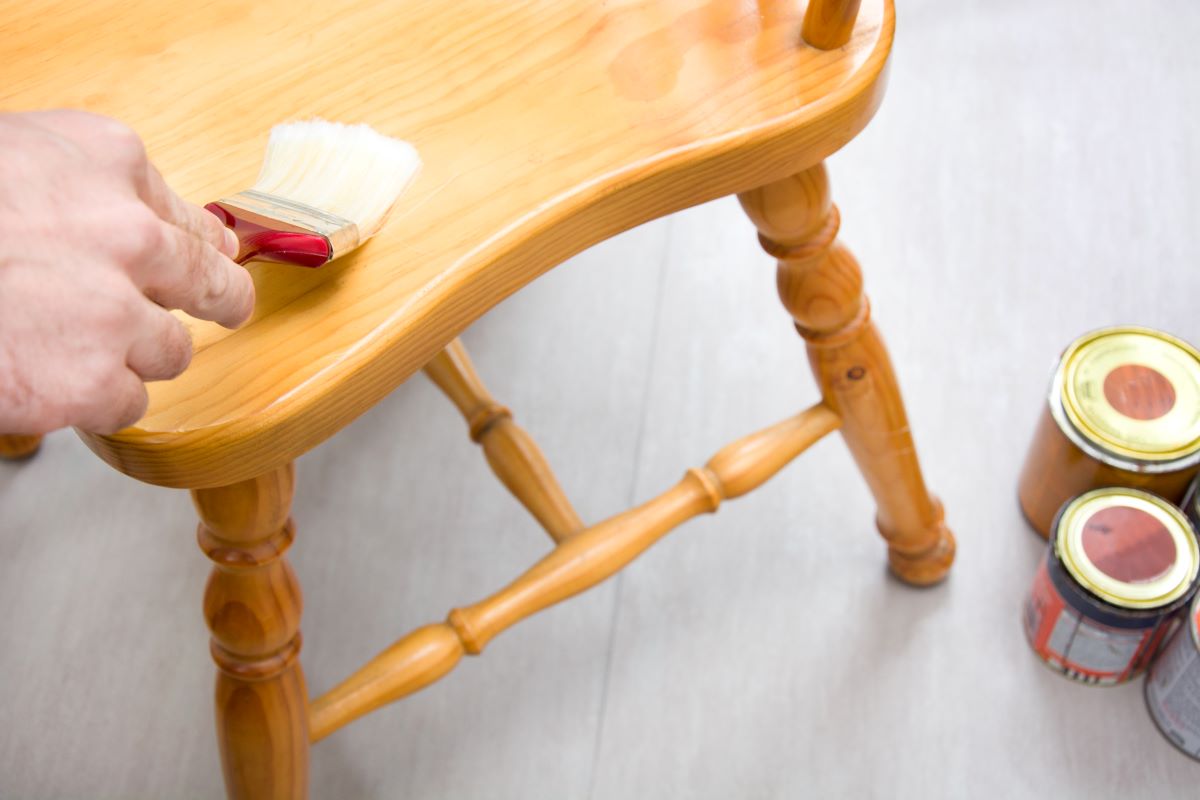
How Does Restoration Polish Compare to Wax or Oil?
Here’s where folks get lost. Three main types of wood care. Totally different animals. Look.
|
Product Type |
Main Job |
Best For |
Watch Out For |
|
|
Restoration Polish |
Hiding scratches, bringing back color |
Dull beat-up tables, antiques |
Won’t protect heavy |
|
|
Paste Wax |
Hard protective coat |
Stuff you touch a lot, want shiny |
White gunk in carvings |
|
|
Oil (Tung/Linseed) |
Soaks into bare wood |
Butcher blocks, raw wood |
Gets sticky on finished pieces |
My two cents? Start with a restoration polish. If you need more armor after the piece looks good, slap a coat of beeswax on top.
Restoration Furniture Polish: Top Picks We Actually Use
Hardware store shelves are packed. Truth is, we only reach for a few. These three handle pretty much everything.
Howard Feed-N-Wax: Old Reliable
Smells like oranges when you open it. That’s the cleaning part working. Howard Feed-N-Wax contains carnauba wax and beeswax. Plus conditioning oils that feed dry wood deep. Waxes guard it. Works great on antiques, dry wood, whatever. Slap it on, wait 20 minutes, buff it off. Easy.
It’s a real household workhorse. I’ve used the stuff on dining tables, picture frames, even wood panels inside an old car. Don’t matter what style your piece is. Dry wood drinks this up.
Restore Naturals: When You Hate Strong Smells
Got folks who can’t stand fumes. For them we grab Restore Naturals Wood Furniture Polish. It’s plant-based and eco-friendly. The formula includes water, polyglycol, and fragrance. No heavy solvent smell. Isn’t as punchy as Feed-N-Wax for deep stuff. But for weekly dusting and keeping things glowing? Perfect. Safe around where you eat too without worry.
Scott’s Liquid Gold: The Panic Button
Guests coming in 10 minutes. Grab Scott’s Liquid Gold. Thing’s got over 4,500 five-star reviews on Amazon. That don’t happen by accident. Hides light scratches on tables, woodwork, cabinets fast. Just know what you’re getting. It’s makeup, not surgery.
Louis XIII Wood Furniture Wax: The Heavy Hitter
Got a real stubborn piece? Louis XIII wood polish contains 50% natural turpentine. Beeswax makes up 10% of the formula. This stuff means business. Stronger smell, sure. But the results on beat-up antiques? No comparison. Use it in a well-ventilated room.
Dr. Cabinet Advice: Skip those “stain pens” for big table scratches. They dry way darker than your wood. Colored polish rubbed over the whole spot works ten times better.
How Do You Restore an Old Antique Furniture?
Found a beat-up side table at a flea market. Dusty. Dull. Maybe got those white rings from somebody’s sweaty glass. Here’s how we do it.
Steps That Actually Work
- Clean first. Mild soap on a damp rag. Get the grime off. Dry it quick.
- Test the finish. Dab some rubbing alcohol on a hidden spot. Gets sticky? Shellac. Doesn’t? Probably lacquer or polyurethane.
- Apply polish. Soft cloth. Work small sections at a time.
- Wait. Let it sit 15 minutes before polishing with a cotton cloth.
- Buff it off. Clean cloth. Keep rubbing till the surface feels slippery, not tacky.
Biggest goof we see? Folks slopping heavy oil on polyurethane. Oil can’t sink in. Just lays there. You get a cloudy sticky mess that grabs every fingerprint. If your polish puddles up, wrong finish for it.
Good polish is versatile stuff. Same bottle works on your table, a bench, an interior door. Just keep it off non-wood. Wood polish on metal handles? Streaky disaster. On fabric or carpets? Stains. Keep a rag handy for drips.
What About Scratches and Discoloration?
Light scratches ain’t nothing. Liquid polish blends em out. Fills those tiny cracks with oil.
Deeper white scratches? Here’s a trick we learned on the job. Super fine steel wool. #0000 grade. Put polish on it. Rub soft with the grain. The wool smooths the edges. The oil colors the raw wood inside. Wipe clean with a clean cloth right after.
Discoloration’s different. White heat ring? Moisture trapped in the finish. You can pull that out. Dry cloth over the ring. Warm iron on the cloth. Not hot. Just warm. Check every few seconds. Heat releases the trapped moisture more often than not.
Restoration is about using a penetrating restorer to hide blemishes. Restorative polishes blend out scratches and bring back the wood’s original color and patina. No stripping. No sanding the existing finish. That’s the beauty of it.
Can You Use the Same Polish on All Surfaces?
Nope. No way.
- Cabinets: Get something that cuts grease. Kitchen cabinets collect cooking oil film. Dust sticks to that mess.
- Floors: Never make em slick. You’ll bust your tail.
- Laminate: It’s a photo of wood under plastic. Damp cloth only. Polish smears around, gums up the seams.
- Countertops: Polish only if the edge or top is real wood. Stone, quartz, laminate? Different cleaner entirely.
- Vinyl: Don’t even think about it. Oil and vinyl don’t mix.
Had a lady once. Used furniture oil on her vinyl floors. Whole living room turned into an ice rink. We fixed it. Stick to what’s made for that exact surface. Manufactured stuff like laminate has a plastic top. Oil just sits there laughing at you. Real wood drinks it in.
Eco Friendly and Plant Based Options
You don’t need nasty chemicals for a good shine. Decent polish comes from stuff that grows.
Carnauba wax is derived from the carnauba palm tree. It’s renewable. Beeswax repels dust natural and gives a soft glow. Carnauba gives a hard, water-resistant shine. Plant-based oils clean without leaving that greasy film. Look for a polish that actually lists what’s in it. Restore Naturals is certified eco-friendly. Environment safe ingredients matter for your indoor air and your family’s health.
Quick Look: Waxes and Oils
- Beeswax: Soft, buffs easy. Nice mellow shine.
- Carnauba Wax: Hard, tough finish. High gloss mirror shine.
- Soy-Based Oils: Clean well. Safe around food. Plant-based and renewable.
Keeping That “Just Polished” Look
You put in the work. Now keep it.
Dust is the enemy. It’s scratchy. Like fine sandpaper every time you slide a plate. Polish furniture whenever you see a layer of dust. A quick dusting week-to-week is generally adequate. Do a deep dusting every few months or as needed.
Heat and sunlight can dry out furniture quickly. Regular polishing helps create a protective barrier. Table near a window? Close blinds when the sun’s blasting. Use coasters. Always. We mean it. We fix more water ring damage than anything else.
We recommend to test restoration products in an open area for color matching. The right color of polish really matters. The wrong shade highlights the damage instead of hiding it.
Excess polish should be wiped off promptly. A protective wax should follow the restoration process. This seals your work and boosts the shine.
A restored table can stick around for generations. The luster and color you bring back today? It lasts if you treat it right. Wood pays you back for a little care.
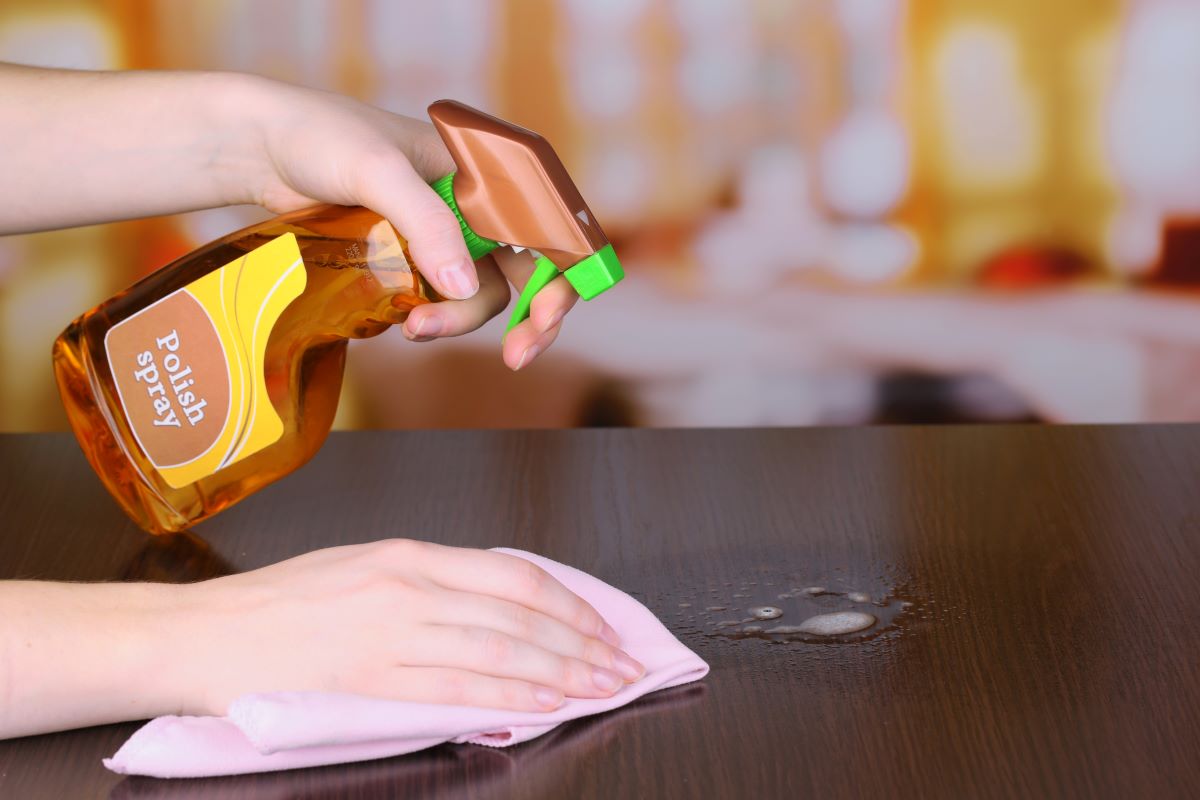
Frequently Asked Questions
What is the best polish for old furniture?
Get one with conditioning oils. Howard Feed-N-Wax is what we grab. It contains carnauba wax and beeswax. Feeds the dry wood. Hides little blemishes. Waxes leave a soft natural look. Not fake shiny. Just healthy.
Why not use Restor-A-Finish?
Strong chemical mix. Works fast on big damage yeah. But it can go sideways on delicate old finishes. Test it somewhere hidden first. Always. Wrong hands, it’ll strip color you wanted to save.
Is Howard Restor-A-Finish permanent?
Nope. It’s a cover-up. Hides the problem. Doesn’t make a new hard coat. You’ll reapply eventually or put a wax topcoat over it. Sun and use wear it away.
How to bring old furniture back to life?
Deep clean with a damp rag first. Then restoration furniture polish to feed the wood. Super fine steel wool for stubborn spots. Finish with a thin coat of clear paste wax to seal it and protect.
Can I use restoration polish on painted cabinets?
No sir. Made for raw wood. Painted stuff just gets greasy. Mild soap and water. That’s it for painted cabinets or doors.
Why does my table feel sticky after I polish it?
Too much product. Didn’t wipe off the extra before it dried. Fix? Dampen a rag with a little of the same polish. Wipe on. It’ll rewet the old layer. Now wipe dry fast with a fresh cloth.
A Little Effort, A Big Reward
Don’t toss that scratched up table thinking you need new. Good restoration furniture polish makes wood warm and rich again. It’s feeding the wood so it looks right. This is what we do all day at Dr. Cabinet.
If your built-ins or woodwork got water damage polish can’t touch, that’s different. For finish fixes needing a pro, we’re around. See how we can help with your cabinet restoration project.