

Kitchen Drawer Repair That Actually Lasts Dr. Cabinet
A kitchen drawer that sticks, sags, or won’t close turns every meal into a headache. Dr. Cabinet fixes broken kitchen cabinet drawers fast. Our technicians show up, find the problem, and make it right. No guesswork. No wasted weekend. Just drawers that open and close the way they should. This is what our expert kitchen drawer repair service does.
If you’re sick of fighting a drawer shut or watching the front wobble every time you pull it, you’re in the right spot. Below we go through what breaks, how we fix it, and why people call us when their drawers give out.
Why Professional Repair Beats DIY
It is tempting to grab a screwdriver and try to figure it out yourself. Here is why that often fails and what you get instead when you call Dr. Cabinet.
- Time saved: What takes a homeowner all Saturday takes our technician an hour or less. We identify the problem immediately and carry the right parts.
- Correct diagnosis: A sticky drawer might need cleaning. It might need slide replacement. It might have a cracked drawer box. Guessing wrong costs money. We get it right the first time.
- Quality materials: Cheap slides or the wrong wood glue fail fast. We use stuff made for kitchens, matched to your cabinet.
- Long-lasting results: A DIY patch job often breaks again in a few months. Our repairs last because we fix what caused the problem, not just the thing you see.
Skip the frustration. Call Dr. Cabinet and get your drawer fixed right.
Common Kitchen Drawer Problems We Fix
Drawer hardware takes a beating. About 70% of drawer problems stem from neglect — not from one sudden break, but from years of small issues piling up. A screw loosens. A track collects grime. A glue joint dries out. Left alone, the whole drawer fails.
- Broken kitchen cabinet drawer: Cracked wood, stripped screw holes, or a sagging bottom panel that has slipped out of its groove.
- Stuck or sticky drawers: Gunk and grease coating the slides so the drawer fights you every time you pull.
- Loose drawer front: The finished face of the drawer wobbles or pulls away from the box.
- Misaligned drawers: The drawer rubs against the cabinet face, leaving marks and sitting crooked.
- Failed drawer slides: Bent metal, broken bearings, or worn-out soft-close mechanisms that no longer catch.
Every one of these has a fix. The key is knowing where to look.
Understanding Your Drawer Slides
Drawer slides are the metal or plastic tracks that carry the weight of the drawer. They come in three main types. Proper slide type identification aids in effective repairs, so our technicians always inspect your existing hardware before any work begins.
Slide Type
Key Features
Side-mount
Most common type. Attach to the sides of the drawer box and cabinet. Strong and reliable. Visible when drawer is open.
Center-mount
Single track under the drawer center. Offers limited drawer access. Often found on older or budget cabinets.
Under-mount
Hidden beneath the drawer box. Provide a clean look but are harder to install. Common in European-style kitchens.
Side-mount slides are the most common type. They screw onto the sides of the drawer box and the cabinet. You can see them when the drawer is open. They roll on ball bearings. Over time, dust and grease gum up those bearings and the drawer gets loud and rough.
Center-mount slides offer limited drawer access. One track runs under the middle of the drawer. These are on older or cheaper cabinets. The drawer only pulls out partway and wobbles under weight.
Under-mount slides provide a clean look but are harder to install. They hide under the drawer box. You don’t see them at all. Most have a soft-close feature. If one breaks, you can’t just slap in a generic part. It has to match.
Drawer hardware includes screws, tracks, and slides. They all have to work together. One loose screw throws off the whole thing.
Repairing Broken Kitchen Cabinet Drawer: Dr. Cabinet Process
A broken kitchen cabinet drawer isn’t just annoying sharp edges and exposed screws can hurt someone. Here’s what we do.
First, remove the drawer by pulling it out completely. Check for safety clips newer slides have a plastic tab you have to press. Lift the drawer slightly to release it from the slides. On under mount slides, feel for tabs on each side.
Then we look at everything:
Sagging and Damaged Shelves
- Cracks in the drawer box
- Screw holes that are stripped out
- A drawer front that’s loose or has gaps
- Slides that are bent, rusty, or have broken bits inside
Small cracks in drawer boxes can often be repaired with wood glue as part of our professional cabinet repair services. We clean the crack, work the glue in deep, and clamp it tight. For stripped screw holes, we fill them with glue and a bit of wood fiber. Let it dry, then put the screws back. They bite into fresh material and hold.
Drawer front detachment can often be fixed by tightening screws or replacing broken components. If the front pulled loose, we check the screws and the attachment points, fix what’s broken, and get it seated right.
Once everything is solid, reassemble the drawer by attaching the faceplate and slides. Then test the drawer after reassembly to ensure they slide smoothly. We open and close it all the way a bunch of times, listen for scraping, look for wobble, and adjust if needed.
How to Fix a Stuck or Sticky Drawer
Most of the time, a sticky drawer just needs a good cleaning and some lube. Here’s the drill.
- We pull the drawer all the way out.
- Wipe down the slides and tracks with a dry rag.
- For thick grime, we use a mild cleaner and a small brush.
- We dry everything off with a clean cloth.
- We hit the bearings and sliding surfaces with a light spray of silicone lubricant.
- Finally, we slide the drawer in and out a few times to work it in.
- Applying lubricant can improve the movement of drawer slides a ton. We use a silicone spray, not oil. Oil turns sticky and grabs dust. Silicone stays slick for months.
If you have old wood slides, using paraffin wax or beeswax on wooden slides can reduce friction and improve movement. We rub the wax right onto the wood. It fills the grain and makes the drawer glide.
Here’s the thing — drawer slides should be cleaned at least twice a year. Spring and fall. Put it on your calendar and you’ll avoid most problems.
Tired of yanking on a stuck drawer? Call Dr. Cabinet. We’ll make it glide.
When the Slides Need to Be Replaced
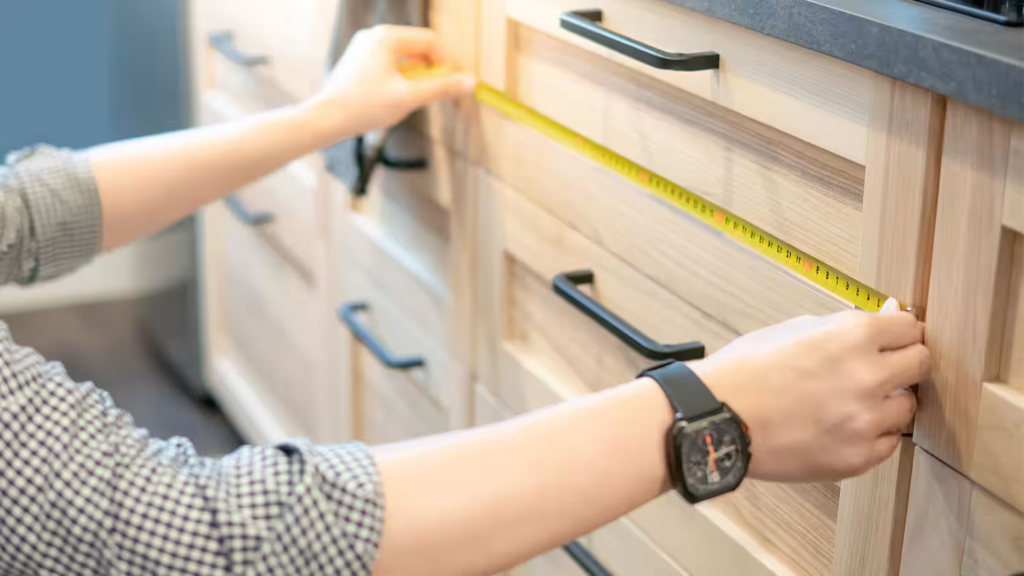
Sometimes cleaning doesn’t cut it. If a slide is bent, rusted solid, or has bearings falling out, it’s done. Replacing broken drawer slides requires precise measurements. You cannot eyeball this.
Here’s how we do it:
- Measure existing slides before purchasing replacements. Length, extension, and weight rating all have to match.
- Unscrew the old slides from the drawer box and the cabinet.
- Check the screw holes. If they’re stripped, fill and drill new ones.
- Pick the right type side mount, center-mount, or under-mount. Match what was there.
- Attach new slides to the cabinet and the drawer box. Get them level.
- Slide the drawer back in and test. It needs to move smooth, close all the way, and sit flush.
Tightening all screws is a common step before replacing any damaged parts. Sometimes a drawer acts broken but really just has loose hardware. We check that first so you don’t pay for parts you don’t need.
Tools we always bring: wood glue, clamps, and a screwdriver. A drill with a good set of bits for removing screws and drilling pilot holes. A damp cloth to clean up glue squeeze-out. Clamps to hold cracked wood tight while glue sets. Painter’s tape for weird angles where clamps won’t fit.
Fixing a Damaged Drawer Box
The drawer box is the actual box that holds your stuff. When it cracks, we don’t tell you to buy a whole new drawer. We fix the wood.
- Small cracks: Clean them, apply wood glue, clamp tight, wipe off the extra with a damp cloth.
- To repair a sagging drawer bottom, it can be re-secured with glue and staples. Flip the drawer over, clean out the groove the panel sits in, run a bead of glue, push the panel back in, and add a few staples to hold it while the glue sets.
Loose Drawer Front? Easy Fix
The drawer front is the finished face. When it moves, the whole kitchen looks off. Loose drawer fronts are often due to loose screws. Here’s the fix.
- Pull the drawer and see how the front attaches.
- Tighten any loose screws. Don’t crank them you can strip the wood.
- If a screw hole is stripped, fill it with glue and a toothpick or dowel. Let it dry. Reinstall the screw.
- Adjust the front so the gaps around all four edges are even.
- Tighten everything down and test the fit.
Misalignment can cause drawers to rub against cabinet faces. If the drawer leaves marks on the frame or sits crooked, the slides need a shift. We adjust the position, add shims, or use the slide’s built-in adjustment points.
European and Traditional Drawers
European Kitchen Drawer Repair
European drawers use hidden under-mount slides. They look clean, but the parts are precise. If the soft-close fails or a front goes out of alignment, you need the right brand of replacement hardware. Generic stuff won’t work right. We identify what you have and get the correct part.
Traditional Kitchen Drawer Repair
Older kitchens run on wood runners or center-mount metal slides. Wood swells with humidity and jams. Worn grooves catch. We sand high spots, wax the wood runners, or add a modern slide system for a permanent fix. Traditional drawers come back to life with the right touch.
Frequently Asked Question
How do I know if my drawer slide just needs cleaning or has to be replaced?
Pull the drawer and clean the slides. If they’re bent, rusted, or have broken bearings inside, replace them. If they’re just dirty, clean and lube will probably fix it.
Can a cracked drawer box really be fixed, or do I need a new one?
Most small cracks fix right up with glue and a clamp. The glued joint ends up stronger than the wood around it. If the box is shattered, we’ll tell you straight.
Why does my drawer slide open by itself?
The slides aren’t level. Gravity pulls it open. We level them and the problem goes away.
How long does a repair take?
Most single drawers take less than an hour. Multiple drawers or parts we have to order might push that out. We give you a time before we start.
Do you fix the soft-close thing?
Yeah. Usually the damper can be swapped out without changing the whole slide.
Can you match slides to my old cabinets?
We measure what’s there and find a match. Even weird older sizes, we can track down most of the time.
How do I keep my drawers working?
Clean the slides twice a year, hit them with a silicone spray, tighten screws when they feel loose, and don’t overload the drawers.
How do I book a repair?
Call or use the form on our site. We’ll set a time and send a tech out to get things working.
Don’t live with a broken drawer. Call Dr. Cabinet today. One visit and your kitchen works the way it should.
Why Choose Dr. Cabinet
- Years of doing this: We’ve fixed thousands of drawers. None of it surprises us anymore.
- Guys who know what they’re doing: Our techs train on every drawer system out there. They show up ready.
- Good materials: Slides, glue, hardware — all rated for real kitchen use. No junk.
- We treat you right: Clear communication, on-time arrivals, and we don’t stop until your drawers work.
One call gets your kitchen back on track. Reach out to Dr. Cabinet now.