

You’re walking across the room and you feel it. A little dip. A rough edge. You look down and see a deep scratch or a chip in your laminate floor. It stands out. It catches the light wrong. And you just want it gone.
A laminate floor repair kit can fix that. But only if you buy the right one. This article breaks down what works, what doesn’t, and how to do the repair so it stays fixed. No fluff. Just the straight talk you need from someone who does this work.
Quick Answer:
What’s the best laminate floor repair kit? A hard wax melting kit for deep gouges and holes. An acrylic putty kit for light scratches and surface chips. Most kits cost between $15 and $25. The key to a lasting repair is not just the kit. It’s the prep work and color matching.
What Is a Laminate Floor Repair Kit?
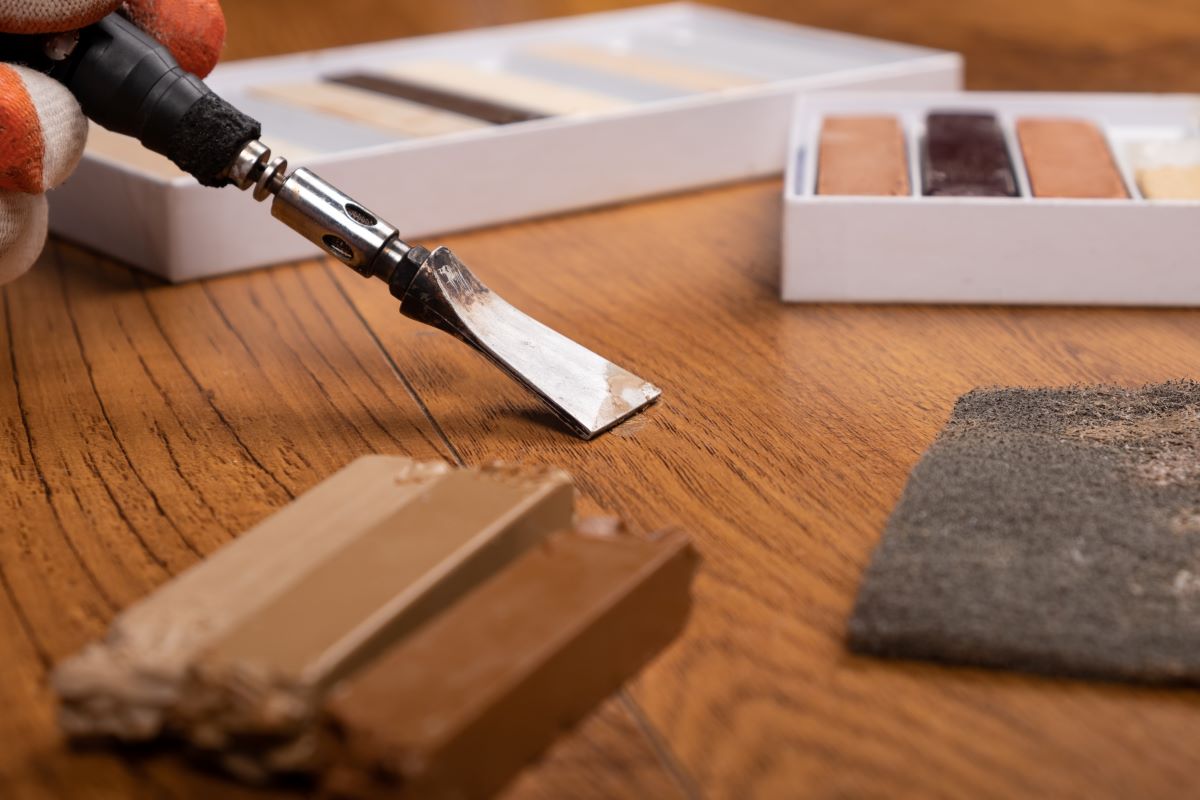
A laminate floor repair kit consists of some tools and materials. You fill, color, and seal damage without replacing planks. Think of it as a first-aid kit for your floor.
There are two main types. Wax melting kits use heat to fill deep gouges. Acrylic putty kits fill light scratches and chips. Some kits mix both styles.
Honestly, you should own one if you have laminate floors. Scratches happen. Furniture slides. Pets slip. Life leaves marks. A repair kit is cheap insurance.
Wax Kit vs. Acrylic Putty: Which Is Right for You?
You need to match the kit to the damage. Getting the wrong type is a common mistake. The fix won’t hold. You’ll see the patch every time you walk by.
Here’s a simple breakdown to help you choose.
| Repair Type | Best For | How It Works | Dries To |
| Hard Wax Melting Kit | Deep dents, gouges, and holes | You melt a colored wax block into the hole with a special tool. | A hard, smooth surface that can be buffed. |
| Acrylic Putty Kit | Light scratches, scuffs, surface chips | You press a soft, colored putty into the scratch with a plastic knife. | A solid fill that dries slightly darker than it looks wet. |
| Combo Repair Kit | Mixed damage across a room | Includes both wax and putty for different repair types. | Varies by the section you use. |
A combo kit is a solid choice for a busy home. It covers you for the small scratch from a dropped spoon and the deep dent from a moved appliance.
Dr. Cabinet Advice:
Never rush the cooling or drying time. Putty and wax both shrink as they set. Wait the full time listed on the product. Then check if you need a tiny second layer. A low spot will catch dirt and shadow, making the repair obvious.
What a Good Floor Repair Kit Contains
Not all kits are created equal. You open some and feel like you got ripped off. Others pack real value. Here’s what you’re looking for.
Good kits will contain:
- Wax blocks or putty in multiple colors.
- A melting tool (if it’s a wax kit).
- A plastic putty knife or scraper.
- A sponge or microfiber cloth for blending.
- Mixing pigments to create a custom color.
The Ejoyous kit includes 11 wax blocks for color matching. That’s a lot of options. The SEISSO kit features 12 colors for furniture repairs, which also work on flooring. More colors mean a better chance at a hidden repair.
How to Repair Laminate Flooring Like a Pro
The process is simple. But simple doesn’t mean you can skip steps. The biggest enemy of a floor repair kit is poor adhesion. If the filler doesn’t bond, it will pop out. Maybe in a day. Maybe in a week. But it will fail.
Here’s the repair process I use on job sites.
- Clean the area. Use a damp cloth. Get out all the dust and grime. Then let it dry fully.
- Prep the wound. Lightly sand the edges of the scratch or gouge. This gives the filler something to grip. Don’t sand the surrounding floor finish, just the inside of the damage.
- Find your color. This is the art part. Don’t just grab one block. Sometimes you’ll have to blend two or more colors to match your floor tone. Scrape a little mixed putty onto a paper plate. Dry it to test the final shade. Remember, the putty often dries darker.
- Fill the damage. Press the filler in firmly with the plastic putty knife. Overfill it slightly. You want it proud of the surface. That’s the easy part.
- Scrape and smooth. While the filler is still slightly malleable, use the scraper to remove the excess. Work across the repair, not along the scratch.
- Blend the finish. Once it’s hard, buff the repair gently with the dry microfiber cloth or sponge. This blends the sheen with the rest of the floor.
Choosing the Right Color: Don’t Trust the Label
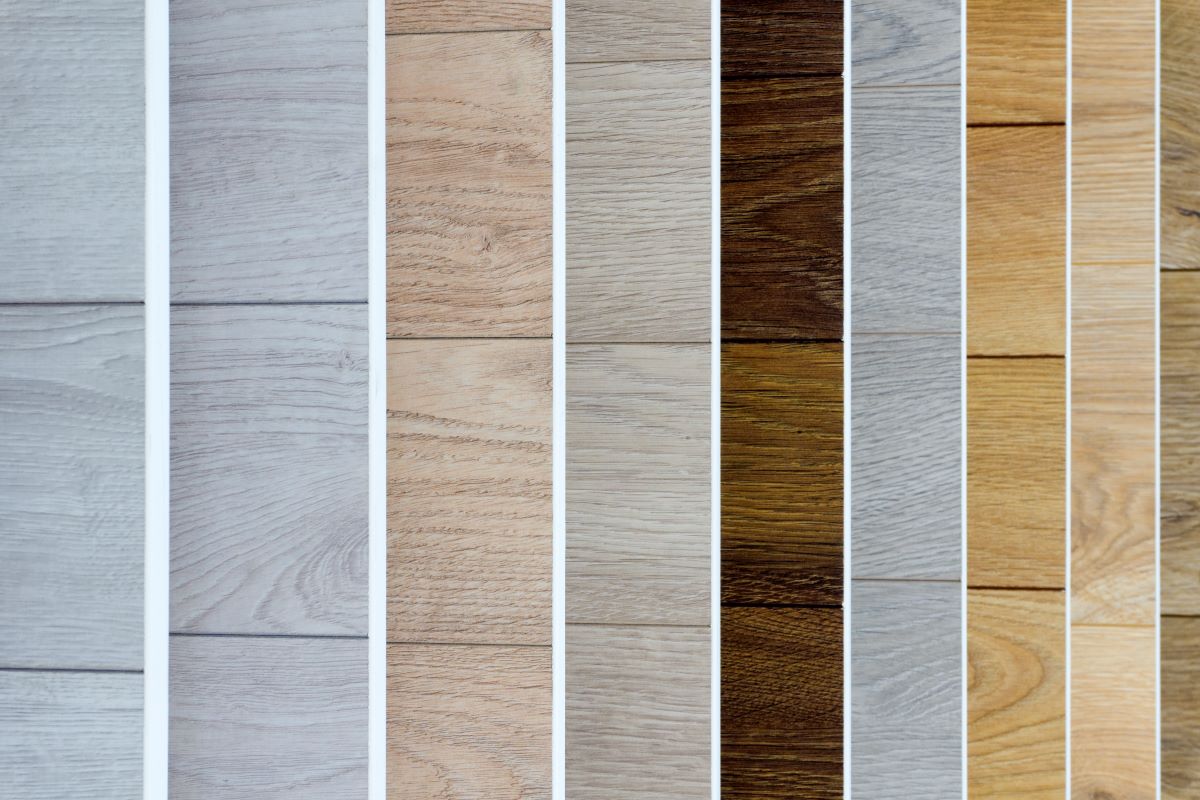
Here’s a pro tip. The color on the package is a liar. Don’t trust it. The color of the putty or wax in its raw form is not the color it will be on your floor.
My advice? Take a small amount of the product. Mix it if you’re blending shades. Smear a test dot in a closet or a hidden corner. Let it set. Look at it in bright light and dim light. Then adjust your mix. A floor color like “maple” or “oak” can look wildly different across brands. This five-minute test saves you from a giant, mismatched blob in the middle of the room.
You can buy custom color mixing pigments to get it just right.
When Repair Kits Won’t Work
A repair kit is great and recommended. But it’s not magic. It can’t fix everything.
Don’t use a kit for:
- Large areas of water damage or swelling. The planks are shot.
- Broken locking joints between planks. The floor will still move.
- Severe warping. The board needs to be replaced.
If the damage is bigger than a silver dollar, a patch job looks like a patch job. At that point, you’re better off replacing the damaged plank. We do that a lot for homeowners. It’s a bigger project, but it makes the problem truly disappear.
If you’re staring at floor damage that’s beyond a simple fix, Dr. Cabinet can help. We offer free on-site estimates for plank replacement and major floor repair. We serve homeowners all across the U.S.A. and our team knows how to make new work look like it’s always been there. Call Dr. Cabinet to schedule a visit.
FAQs About Laminate Floor Repair
Do laminate repair kits work?
Yes. They work very well on small and contained damage. Scratches, chips, and dents can become nearly invisible with a proper color match. But the repair is cosmetic. It doesn’t restore the structural strength of the board and it needs replacement in case of deep structural cracks or large holes.
How do I repair damaged laminate flooring?
First, see what kind of damage is it. If it’s only some shallow scratches, use an acrylic putty kit. Use a wax melting kit for deep gouges. Always clean and sand the area first. Then fill, scrape, and blend. The key is to firmly press the filler into every crevice. It should bond well.
Is there a wood filler for laminate flooring?
No. Don’t use traditional wood putty. Laminate is not hardwood. It’s a photograph of wood under a plastic wear layer. Wood filler can’t stick to it properly and will crack out quickly. You need a filler made for vinyl planks and laminate, like the acrylic or wax types in a laminate floor repair kit.
Can laminate flooring be patched?
Yes. In two very different ways. A repair kit patches small damage. But for larger ones, you have to cut out the damaged board. Then glue it in a new one. This is a skilled job. If not done right, the new board will sit proud or have visible seams.
Can I use a vinyl floor repair kit on laminate?
Yes, you often can. Many products work for both vinyl planks and laminate flooring. The wear layer on top is similar. Check the product label to be sure it lists both materials. A “vinyl floor repair kit” is often the same formula sold under a different name.
How long will the repair last?
A repair done right will last for years. It can handle foot traffic and vacuuming. However, it also might wear down in a very high-traffic area. The two things that ruin a repair fastest are:
- water seeping under the edges
- and heavy furniture sliding across it without felt pads.
The Bottom Line
A floor scratch you see every day is a minor annoyance that grates on you. A laminate floor repair kit fixes that for about the cost of a pizza. Match the kit type to the damage—wax for deep, putty for light. Prep the surface, test the color, and take your time with the fill.
That’s actually the most important step. Patience.
If the damage is bigger than a small coin, the repair won’t hold or look right. When that’s the case, replacing the board is the smarter move. If you need a hand figuring out which path is right for your floor, give us a shout at Dr. Cabinet. We’ve seen it all and we’re happy to point you straight.