
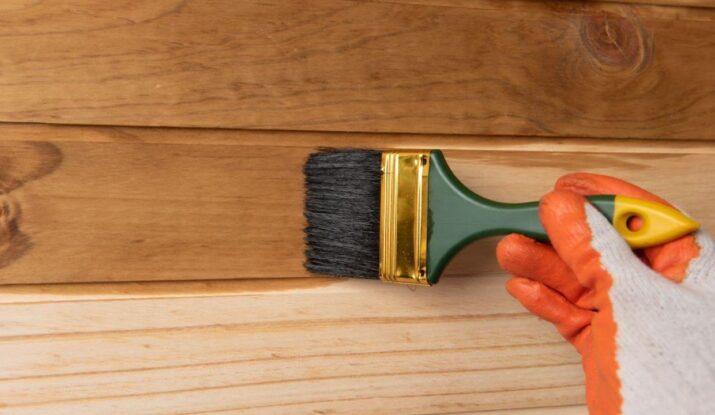
We’ve pulled up to houses where the deck looked like driftwood. Gray. Rough. Completely washed out. The homeowner would say “we’re thinking about replacing it” and We’d just smile, because nine times out of ten, they didn’t need to. They needed wood renew and about two hours on a Saturday morning.
That’s what this is about. Not a full rebuild. Not a weekend-long sanding project. Just getting your wood back.
Quick Answer: Can you really bring gray wood back to life? Yes. A product called wood renew uses oxygen-based cleaners to lift UV damage and remove mold without bleach. You can clean a deck or siding in one afternoon. Grab a garden hose, a medium bristle brush, and the mixed solution. That’s all you need.
What Does Wood Renew Actually Do?
Most people think grayed wood can’t be restored. That’s not true.
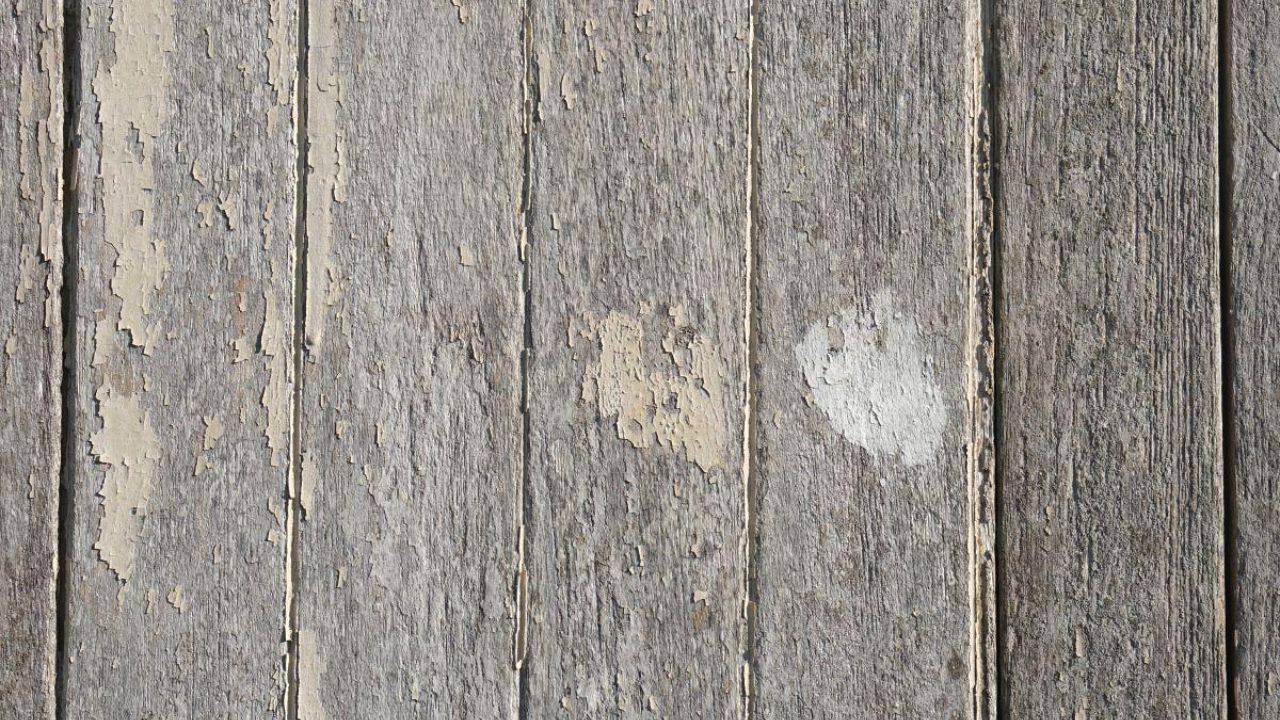
The gray color is on the surface. It’s sun damage and dead wood fibers. But underneath that gray layer, the good wood is still there.
Wood renew is a biodegradable percarbonate based wood cleaner. That’s a fancy way of saying it uses oxygen to lift dirt and stains. No harsh acids. No chlorine bleach.
When you mix the wood renew with water, it starts to bubble. Those bubbles get into the wood pores and lift out the gray.
We’ve used this on log walls and siding, and old decks. It works every time.
A mistake we see all the time
Homeowners grab bleach. Don’t do that.
Chlorine bleach damages wood fibers. It also won’t kill mold below the surface. So the mold comes back in a few weeks.
Pro Tip: Bleach turns wood fibers mushy over time. It also strips the natural color unevenly. A percarbonate based wood cleaner like wood renew is safer. and lasts longer. The shelf life of Wood ReNew is long when stored in a cool and dry place.
When to Use Wood Renew (And When to Skip It)
Wood renew is not for every job. Here’s when it makes sense.
| Situation | Use Wood Renew? | Better Option |
| Gray, weathered deck | Yes | Wood renew or similar oxygen cleaner |
| Mold or mildew on siding | Yes | Wood renew plus a medium bristle brush |
| Water stains on raw wood | Maybe | Oxalic acid (wood renew has some, but stains may need more) |
| Peeling clear coat | No | Strip and sand first |
| Deep gouges or rot | No | Wood filler or board replacement |
So what does that mean for your project?
If your wood is just dirty and gray, start with wood renew. If the finish is peeling or the wood is soft, you have bigger work to do.
Dr. Cabinet Advice: Run your hand across the wood. If it feels fuzzy or splintery, the surface is too damaged. You’ll need to sand after cleaning. If it feels smooth but looks gray, you’re in good shape.
How to Apply Wood Renew Correctly
This is the part most people mess up. They rush.
Here’s the right way.
What you’ll need
- Wood renew concentrate with water stir
- 5-gallon bucket
- Garden hose
- Medium bristle brush (or a car wash brush on a pole)
- Clean water for rinsing
- pH strips (optional but smart)
Step-by-step
- Mix the product. For most jobs, mix 4 cups of wood renew concentrate with 5 gallons of water. Stir well.
- Simply wet the wood first. Use your garden hose to get the surface damp. This helps the cleaner spread evenly.
- Again stir and liberally apply from bottom to top. Start at the bottom of your deck or log wall. Work up. This stops streaks.
- Let it sit. The product will start to bubble. Wood renew will immediately begin to fizz and foam as it removes dirt and grime and UV damage. Wait about 10 minutes.
- Scrub. Scub the wood with a medium bristle brush on any heavy spot cleaning. Mold needs a little elbow grease.
- Rinse from top to bottom. This top down rinse step is very important. Rinse thoroughly with clean water.
- Check your rinse. Run your finger across the wood. Does it feel slippery? That means cleaner is still there. Rinse again. Use pH strips if you want to be sure — you’re looking for a reading between 6.5 and 7.5.
That’s actually the easy part. The hard part is waiting for the wood to dry before you stain it.
Fixing Specific Weathered Wood Problems
Gray wood is one thing. But you might have other issues, too.
Wood deck turned gray
This is the most common problem we see. Sun and rain wash out the natural color over time. Wood renew cleans and brightens grayed and weathered wood in about one afternoon.
Our advice? Don’t try to spot-clean a gray deck. Do the whole thing at once. Otherwise you’ll have light and dark patches.
Remove mildew from wood siding
Mildew thrives in a shady, moist environment. The walls facing north are the worst.
To get rid of mildew on wood siding, you must have a cleaner with root killing properties. Bleach only kills the surface. A percarbonate based wood cleaner gets deeper.
Scrub the siding with a medium bristle brush and rinse. But before rinsing, leave it for 10-15 minutes. Then rinse well.
Pro Tip: If mildew comes back again fast, then you have a moisture problem. Fix gutters or trim back bushes before you clean again.
Restore wood color after sun damage
Sun damage is permanent in the top layer of wood. You can’t “heal” it. But you can remove the damaged layer.
To restore wood color after sun damage, clean first with wood renew. Then sand with 120-grit paper, followed by 220-grit. The sanding removes the last of the gray.
What you’ll see underneath is lighter wood. That’s the natural color returning.
Fix water stains on wood
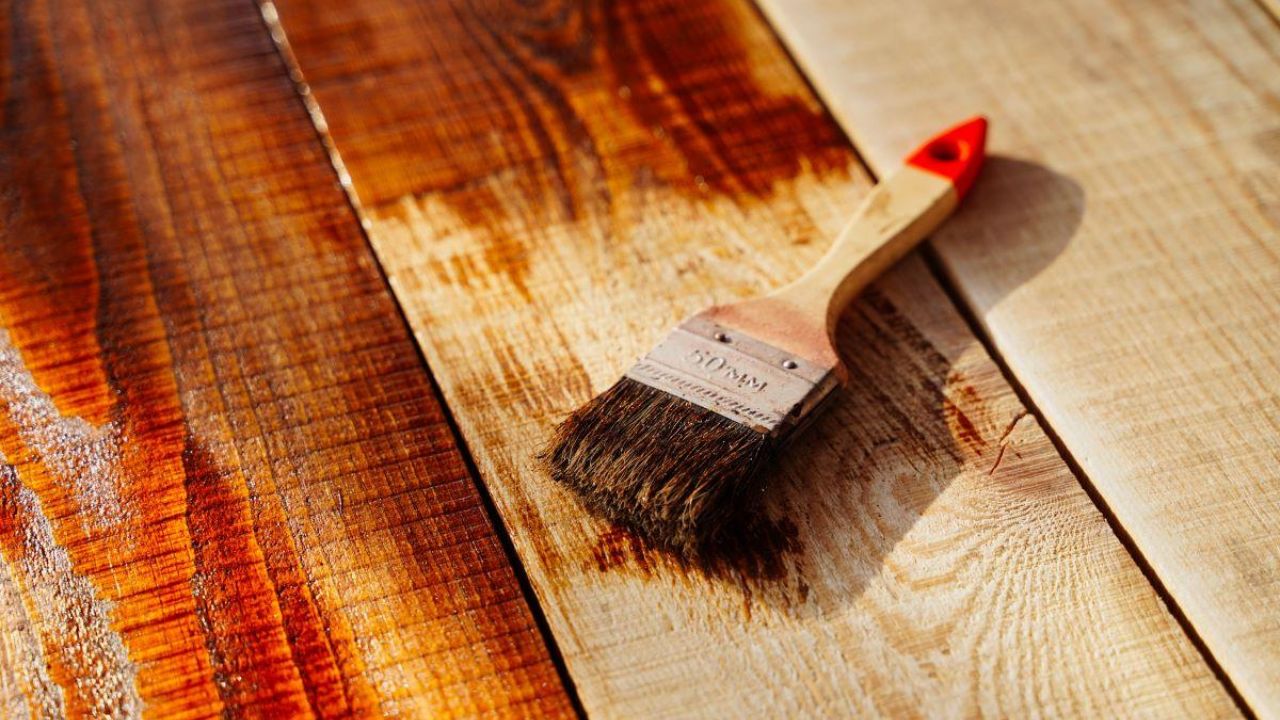
Dark water stains are different from gray sun damage. It’s the metal in the water that reacts with tannins in the wood.
To fix water stains on wood, you often need oxalic acid. Wood renew contains some, but deep stains may need a second treatment.
Here’s a trick from job sites. Simply mix a paste of oxalic acid and warm water. Dab it right on the stain. Let it dry. Then wipe it off. The stain will be gone or much lighter.
Clean wood before painting
Paint won’t stick to dirty wood. That’s a fact.
To clean wood before painting, you don’t need anything fancy. A mild cleaner like Murphy Oil Soap works fine for basic dirt. But if the wood has grayed or mildewed, use wood renew first.
One pass with wood renew gets the wood clean and opens the pores. Paint sticks better and lasts longer.
What Mistakes Do Homeowners Make With Wood Cleaners?
Here are some problems that we see over and over.
- Using a pressure washer too aggressively
- Cleaning in direct sunlight
- Skipping adequate rinsing
- Sealing damp wood
- Using bleach instead of biodegradable cleaners
A pressure washer can damage soft wood fast. Especially cedar.
Our advice? Start with a brush first before turning to high pressure.
What About Log Wash Jobs and Perma Chink Systems
Some wood cleaners are designed for log wash jobs and work well with Perma-Chink Systems products for quality wood finishes.
Log wash products like wood renew are made with a thicker formula. Wood renew contains a thickener that helps it adhere to log walls instead of running right off.
When we work on older log homes, we almost always find two problems:
- Mill glaze from the original milling process
- Years of dirt trapped in the rough surface
A percarbonate based wood cleaner removes both. It also removes mill glaze so new finish can soak in.
To apply wood renew to log walls, use the same bottom-up method. But use a softer brush so you don’t gouge the wood. Rinse extra well — logs have deep grooves that hold cleaner.
Do You Need to Sand Bare Wood After Cleaning?
Sometimes yes. Sometimes no.
Here’s the rule.
- After cleaning, the wood feels… What to do next
- Smooth to the touch You can stain or seal directly
- Fuzzy or raised grain Sand with 120 then 220 grit
- Still gray in spots Clean again or sand deeper
- Soft or spongy Replace the board
Grits of 120 and 220 are essential for sanding wood to get it smooth. Start with 120 to strip the rough stuff. Finish with 220 for a surface that feels like new wood.
Good to Know: If you skip sanding on fuzzy wood, your stain will look blotchy. The raised fibers soak up more color in some spots. Take the extra hour to sand. You’ll see the difference.
FAQs
How long does Wood ReNew take to work?
A few minutes. That’s it. Wood renew will immediately begin to fizz and foam right after you put it on. Let it sit about 10 minutes. Then scrub. Then rinse.
Can Wood ReNew remove mildew from wood siding?
Yes. A biodegradable percarbonate based wood cleaner that cleans mildew from wood siding along with dirt and grime. Thick mildew? You might need a second pass. Shaded areas are the worst for that.
Do I need a pressure washer with Wood ReNew?
No. A garden hose and medium bristle brush do the job. Pressure washers can chew up soft wood if you’re not careful. We see that mistake a lot.
Can I use Wood ReNew on finished wood surfaces?
Maybe. Test a small spot first. Some finished surfaces handle light cleaning fine. But if the coating is peeling or cracked? You’ll still need to strip it down to bare wood.
How often should wood be cleaned and sealed?
Clean once a year. Seal every two to four years. Hot sun? Coastal salt air? Do it sooner. That uv damage adds up fast.
Will Wood ReNew restore all gray wood completely?
Not always. Light weathered wood cleans up nice. Medium gray usually works too. But severe sun damage or rot? You may still need sanding or new boards. Oxalic acid helps with stubborn water stains though.
The Bottom Line
Old wood doesn’t always need replacing. A lot of the time, it just needs a deep cleaning and the right prep work. We’ve cleaned decks that homeowners were ready to tear out, only to see the wood look almost new again after one good wash.
That’s why wood renew products are popular. They clean deep into weathered wood without the harsh feel of bleach-heavy cleaners. They bring back the wood to its original natural color before applying any finish
Start with cleaning first. You might be surprised how much good wood is still under that gray.