
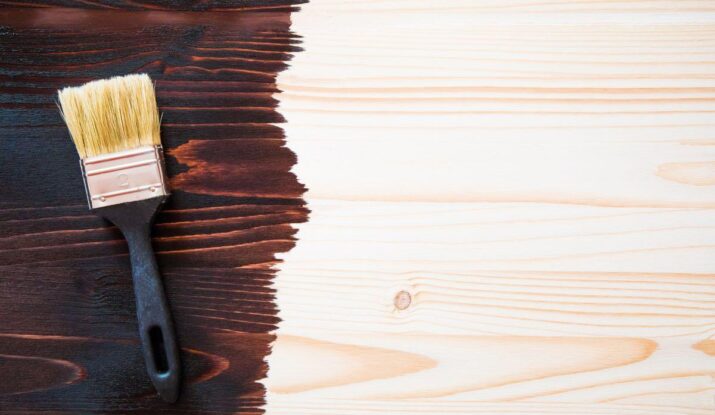
Wood furniture takes a beating. You see it every day. The kitchen table has a white ring from a hot pizza box. The dresser has a long scratch from the vacuum cleaner. The old cabinet doors look dry and sad.
You want to fix it. But you don’t want to strip the whole thing down. That’s a mess. That takes days.
So you look for a wood restorer for furniture. Something easy. Something that works. But there are a lot of bottles on the shelf. Which one actually fixes the problem?
We’ve been fixing wood for 14 years. Cabinets. Tables. Floors. We’ve made every mistake you can make with a rag and a bottle of goo. Let us walk you through what works. And what’s just expensive furniture polish.
Quick Answer:
What is the best wood restorer for furniture? For most worn or scratched pieces, Restor-A-Finish works best. It melts the old finish. Then it pushes the color back into place. Give it about ten minutes. You will see the difference. No sanding needed.
What Exactly Is a Wood Restorer for Furniture?
A wood restorer is not the same as a cleaner. It is not the same as a polish. A restorer actually does two jobs at once. First, it dissolves the top layer of the old finish. Second, it adds color back into the scratched or faded spots.
Think of it like this. Your wood has a clear coat on top. When that coat gets scratched, it turns white or cloudy. The restorer melts that scratched layer just a little. Then the color flows back into the scratch. The dull spot goes away.
Dr. Cabinet Advice:
Do not let the wood restorer dry on the surface. Wipe off any extra liquid right away. Do not let it dry. Once it hardens, you get sticky, cloudy junk on your wood. Then you have a bigger headache.
Most products will also clean off old wax and grease. That’s why they smell strong. They have solvents like acetone in them. So open a window.
5 Best Wood Restorer Products We Use on Job Sites
We try a lot of products. Some are great. Some are just smelly water in a fancy bottle. Here are the ones we actually keep in the truck.
| Product Name | Best For | Drying Time | Smell Level |
| Restor-A-Finish | Blending scratches into existing finish | 5-10 minutes | Strong (ventilate) |
| Howard Feed-N-Wax | Conditioning dry wood after restoration | 20 minutes | Mild citrus |
| Old English Scratch Cover | Dark scratches on dark wood | 2 minutes | Light |
| Scott’s Liquid Gold | General dullness on old cabinets | 15 minutes | Moderate |
| Mohawk Ultra-Flo | Toner for even color on large surfaces | 1-2 minutes | Very strong |
Restor-A-Finish
This is the one we grab first. It comes in many colors. Pick one that matches your wood furniture. If you are between two shades, go lighter. You can always go darker later. You cannot go back.
It works on kitchen cabinets, tables, and dressers. The liquid is thin. You rub it on with a soft cloth. The scratch just disappears like a magic.
Howard Feed-N-Wax
This is not a restorer by itself. Use it after you fix the scratches. It puts oil and wax back into the wood. The wood stops looking dry. It gets that warm, rich look again.
We use this on unfinished wood pieces too. Like the inside of an old cabinet or the bottom of a table leg.
Old English Scratch Cover
This works for one thing only. Light scratches on dark wood. It’s basically a colored oil. It fills the scratch with dark color. But it washes off easily. It’s a quick fix. Not a long-term repair.
Pro Tip:
Do not use Old English on hardwood floors. It makes them slippery. I learned that the hard way in my own house. My dog slid into a wall.
How to Restore Old Wood Furniture in 6 Steps
You do not need a lot of tools. You need a soft rag, the wood restorer for furniture, and a clean space. That’s it.
- Clean the dirt first. Use a gentle wood cleaner. Mix 1 cup water, 1 cup vinegar, and 1 tablespoon olive oil. Wipe the surface down. Let it dry.
- Test in a hidden spot. Put a small amount of restorer on the inside of a door or the back corner. Wait 5 minutes. Make sure the color looks right.
- Shake the bottle. The chemicals settle. Shake well before you pour.
- Apply with the grain. Put the restorer on your rag, not directly on the wood. Rub with the grain of the wood. Do not use heavy pressure. The solvent does the work, not your arm.
- Wait a few minutes. Give it 3-5 minutes to dissolve the old finish.
- Wipe off the extra. Use a dry part of the rag. Wipe until the surface feels dry to the touch. No sticky spots.
The whole process takes about 10 minutes per piece.
Can You Make a DIY Wood Cleaner at Home?
Yes. But only for light jobs. A homemade mix will not fix deep scratches. It will not blend water damage. But it will clean and add a little shine. Just what you need are a few basic materials.
Here is the simple method. Grab a bowl. Mix 3 parts olive oil with 1 part vinegar. Stir it up. Take a soft rag and wipe it on. Let it sit. About 30 minutes is fine. Then buff it dry with a clean cloth. That’s it.
Good to Know:
This natural solution smells like salad dressing for a day. The smell goes away. It is safe for indoor use around kids and pets.
The problem with DIY mixes? They do not have solvents. So they cannot melt the old finish. They just sit on top. For sentimental reasons — like grandma’s old table — spend the $10 on a real product.
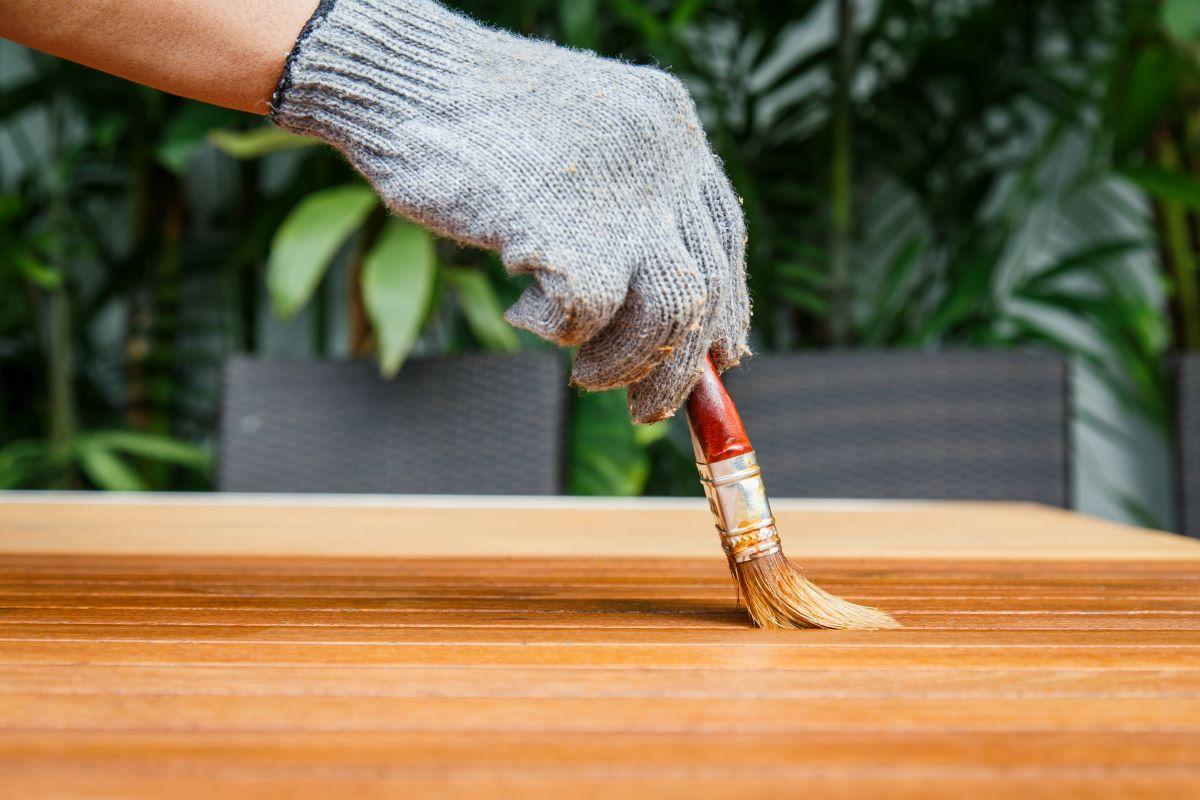
How to Restore Unfinished Wood
Unfinished wood is different. There is no top coat to melt. No shiny layer to blend. The wood is raw and open. Think of a butcher block countertop. A wooden stool from a craft fair. Or the back of an old dresser.
You cannot use a standard wood restorer for furniture on unfinished wood. It will just soak in and look blotchy. Ask me how I know. I ruined a nice stool in my first year of business.
Here is what works instead.
For unfinished wood, you need oil. Plain oil.
- Tung oil – Hardens in the wood. Very durable. Good for tables.
- Danish oil – Easy to apply. Looks warm. Good for most indoor pieces.
- Mineral oil – Food safe. Use this on butcher blocks or cutting boards.
The simple process:
- Sand the unfinished wood lightly with fine sandpaper (220 grit). Wipe off the dust.
- Flood the surface with oil. Let it sit for 15 minutes.
- Wipe off every drop of extra oil.
- Let it dry for 24 hours.
- Repeat for a second coat if the wood still looks dry.
Dr. Cabinet Advice:
Do not use olive oil from your kitchen on unfinished wood. It goes rancid. It will smell bad in a few months. I have seen this in three different homes. Use real furniture oil from the hardware store. It costs $8 and lasts for years.
The natural beauty of unfinished wood comes from the oil soaking into the grain. No wax. No polyurethane on top. Just oil and the wood.
Common Mistakes Homeowners Make About Wooden Furniture
We see these same mistakes every time.
Mistake 1: Using too much product.
The wood restorer for furniture is strong. A little goes a long way. If you pour a puddle on the table, it will eat through the finish. Then you have a bare spot. Then you are stripping the whole table. Not fun.
Mistake 2: Rubbing too hard.
You are not scrubbing a pan. The solvent does the work. Heavy pressure just pushes the liquid into the grain and makes a mess.
Mistake 3: Ignoring the water damage on the bottom.
We once worked on a dresser that looked great on top. But the bottom was black with mold. The owner had used restorer three times and wondered why it still smelled bad. You have to fix the source of the moisture first.
When a Wood Restorer Is Not Enough
Here is the truth. A bottle of restorer cannot fix everything.
If the wood has a deep gouge, you need filler. A wood restorer for furniture will just pool in the hole. For big missing chunks, use a two-part epoxy kit. It dries hard. You can sand it flat. Then you can use the restorer over it.
If the existing finish is peeling off in flakes, you cannot melt it back down. The bond is already broken. You have to strip it. I know you don’t want to hear that. But putting restorer on peeling finish is like putting new paint on top of old, peeling paint. It fails in a month.
If you are dealing with structural damage (a wobbly leg, a cracked door frame), the beauty of the wood does not matter yet. Fix the bones first.
Why Your Wood Looks Dull Even After Cleaning
Sometimes the wood furniture is not dirty. It is just dead. The old wax and polyurethane have oxidized. That’s a fancy word for “the top layer has gone gray from sun and air.”
You need to restore the depth. Restor a finish type products work well here. But you might need two coats.
Do this. Apply the first coat. Wait 10 minutes. Wipe it off. Let it dry for an hour. Then look at the surface from the side. If it still looks flat, do it again.
Dr. Cabinet Advice:
For kitchen cabinets near the stove, grease builds up on top of the wood. No restorer will work until the grease is gone. Wash the doors with a strong degreaser first. Then dry them completely. Then apply the restorer. Otherwise, you are just smearing grease around.
We see this all the time in older homes. The cabinets look dark and worn near the stove. But the far end looks fine. That’s the grease.
How to Choose the Right Color
This scares most people. But it is simple.
Look at your wood furniture in good light. Ask yourself: Is it brown, reddish, or yellow?
- Brown (walnut, dark oak) → Use a walnut or dark oak color.
- Reddish (mahogany, cherry) → Use a mahogany or cherry color.
- Yellow/Orange (old pine, golden oak) → Use a golden oak or light oak color.
If you pick wrong, don’t panic. You can wipe it off with mineral spirits within the first 5 minutes. The product has not fully set yet.
Here is a real example. Last month, a client called us about an old teak side table. She bought a walnut restorer. It turned her table almost black. She was upset. We showed up with mineral spirits and a rag. In 10 minutes, we wiped 90% of it off. Then we applied the correct mahogany color. The natural beauty came right back.
Maintaining Wood After You Restore It
You fixed the scratches. You brought back the shine. Now keep it that way.
Do not let the sun hit the same spot every day. The UV rays will fade the natural color again. Rotate lamps or move the furniture twice a year.
Use coasters. Every time. Water marks are the #1 call we get. A cold glass on a hot day leaves a white ring in 20 minutes.
Dust with a soft cloth. Not a feather duster. Feather dusters just push dirt into the grain.
Every 6 months, apply a fresh coat of wood polish and restorer combo (like the Feed-N-Wax). It takes 15 minutes. It adds longevity to the finish.
FAQ: Wood Restorer for Furniture
Does wood restorer work on water rings?
Yes, most of the time. Apply the restorer to the ring. Let it sit for 2 minutes. Wipe it off. The solvent melts the cloudy wax trapped under the ring. If the ring is black, that means water got through the finish. Restorer will not fix black stains.
Is wood restorer safe for kitchen cabinets?
Yes, but ventilate the kitchen. Open windows. Turn on the fan. The chemicals smell strong for about an hour. Also, do not use it near an open flame from a gas stove.
Can I use wood restorer over paint?
No. Paint is not the same as a clear coat. The restorer will eat into the paint. Then you get a gooey mess on your hands. We see this mistake all the time. Someone tries to “clean” a painted dresser with restorer. Bad idea. You have to strip the paint off first. Get down to the bare wood. Then you can use the restorer.
How long does the smell last?
The strong smell lasts about 1-2 hours with windows open. A faint smell may last 24 hours. If you are sensitive, wear a mask. We keep boxes of cheap masks in the truck for this reason.
Will restorer fix a deep scratch I can feel with my nail?
No. If your fingernail catches in the scratch, the restorer cannot fill it. You need wood filler first. Fill the scratch. Let it dry. Sand it smooth. Then use the restorer over the whole area to blend the colors.
Conclusion
A wood restorer for furniture brings back the shine. The color too. Even the deep look. And you do not lose what made you hold onto the piece in the first place.
If you are dealing with wooden furniture that needs more than a bottle of restorer — like broken doors, cabinet refacing, or major water damage — Dr. Cabinet offers free on-site estimates for homeowners across the U.S.A. We bring the tools. We bring the experience. You just point at what is broken.
So what’s next? Grab a soft rag and test a small spot on the back of that old table. See the difference for yourself. Most homeowners are amazed at how easy it is. And if you get stuck? You know where to find us.