
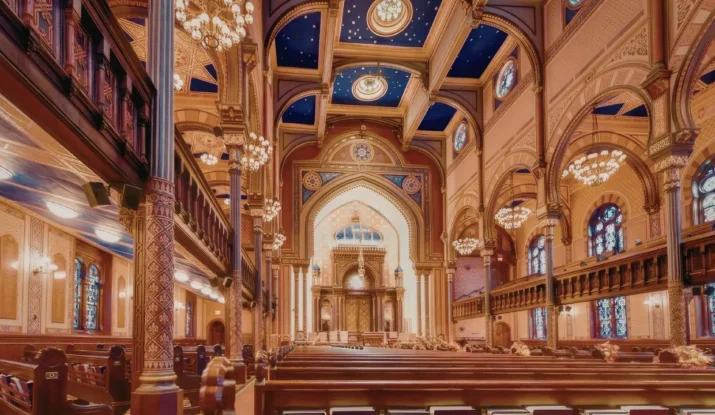
Synagogue pews and benches provide seating for congregations during services. Regular use can cause scratches, loose joints, cracks, or finish damage. Older seating may also develop worn edges or structural problems. Synagogue pew bench repair needs depend on the damage, materials, and construction.
At Dr. Cabinet, we offer professional pew and bench repair service. We serve synagogues, temples, schools, study halls, and Jewish institutions. We aim to rehabilitate existing seating, rather than make a recommendation to replace it.
Quick Answer
Synagogue pews and benches can often be repaired instead of replaced. Loose joints, cracks, scratches, worn finishes and damaged trim can be repaired. They can also help to stabilize seating. Rescue in the case of water damage and retain original character.
Protect your synagogue seating with Dr. Cabinet. Call 201-212-5477 to discuss repairs today.
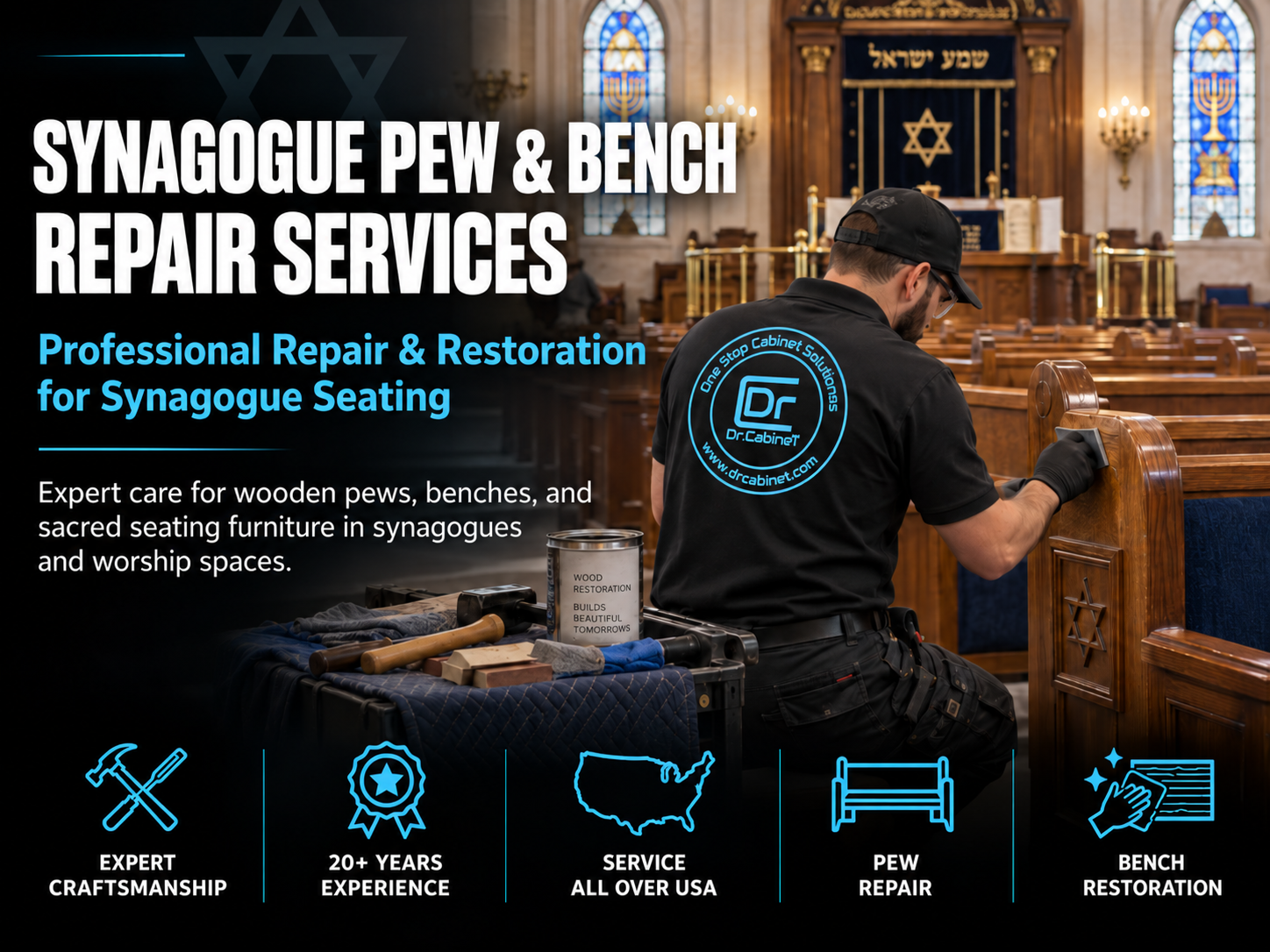
Common Synagogue Pew and Bench Problems
Regularly-used wooden pews are used during Shabbat, during holidays and for other services. They can be used at community events and special worship programs for the congregation as well.
Common problems include:
- Loose joints
- Cracked wood
- Scratched surfaces
- Worn finishes
- Damaged edges
- Loose armrests
- Broken decorative trim
- Unstable seating
- Water damage
- Loose hardware
- Faded stain
- Damaged back panels
- Worn upholstery
- Creaking noises
Memorial plaques or book racks can also be incorporated into the Jewish pews. These special details need careful attention during repair.
Checking wooden furniture regularly is a great way to find any new cracks or damage to the furniture. Assess synagogue seating for cracks, loose parts, and creaking noises before small issues grow.
Synagogue Pew Repair
A loose or damaged pew can become uncomfortable. It can also become unsafe when a structural problem gets worse.
Pew Condition Assessment
Our repair process can begin with a careful inspection of your sanctuary. We check wood, joints, supports, hardware, upholstery, and finish closely.
Our checks include cracks, fading, and other signs of aging. If furniture components lift off the floor, replacement may be needed.
Pew Repair Work
Repair work may include reinforcing loose joints and fixing cracked wood. It may also include repairing panels, replacing hardware, and rebuilding selected sections.
The goal is to keep as much original material as practical. This helps preserve the craft, design, and character of the synagogue.
Synagogue Bench Restoration
Older synagogue benches may be very well built, but are worn. These can be preserved for future generations of people in the congregation if a careful restoration is accomplished.
Wood Repair and Refinishing
Restoration may repair wood, sand surfaces, match colors, and refinish. Reinforcement can improve stability around the bimah reading table.
Stable humidity supports synagogue pew bench repair and wood health. Keep indoor humidity between 40% and 60% to prevent warping, favoring conservation over replacement.
Long-term wood maintenance also requires a constant indoor environment.
Preserving Traditional Character
Historic seating can reflect the spiritual life of a shul. It may also show traditional craft and design.
Ashkenazi furniture may have distinct design details. Different traditions also have different elevations for bimahs. They may impact visibility and access.
A careful restoration can keep these details while making seating safer and more inviting.
Pew Refinishing and Touch-Up
Sometimes the structure remains strong while the finish looks worn. In these cases, refinishing or touch-up may be enough.
Surface Touch-Up
Local treatment may be possible in many cases for scratches, faded areas and worn edges. This will be less expensive than replacing sound furniture.
Matching Existing Finishes
Dr. Cabinet will be able to check scratches, faded stain, chipped edges and worn armrests. We can then determine whether touch-up or full refinishing makes sense.
Routine Wood Finish Care
Regular cleaning also helps preserve the wood finish. Dusting your reading table should remain part of routine care.
This cabinet repair guide recommends avoiding harsh chemicals on wood. These products can damage the finish and change the look of the wood.
Disinfection During High-Traffic Times
Regular disinfection matters during high-traffic Torah reading periods. Cleaning furniture helps reduce germ and disease spread.
Use bleach-free wipes on suitable wooden bimah tables, then read. Always follow the furniture finish and product care instructions.
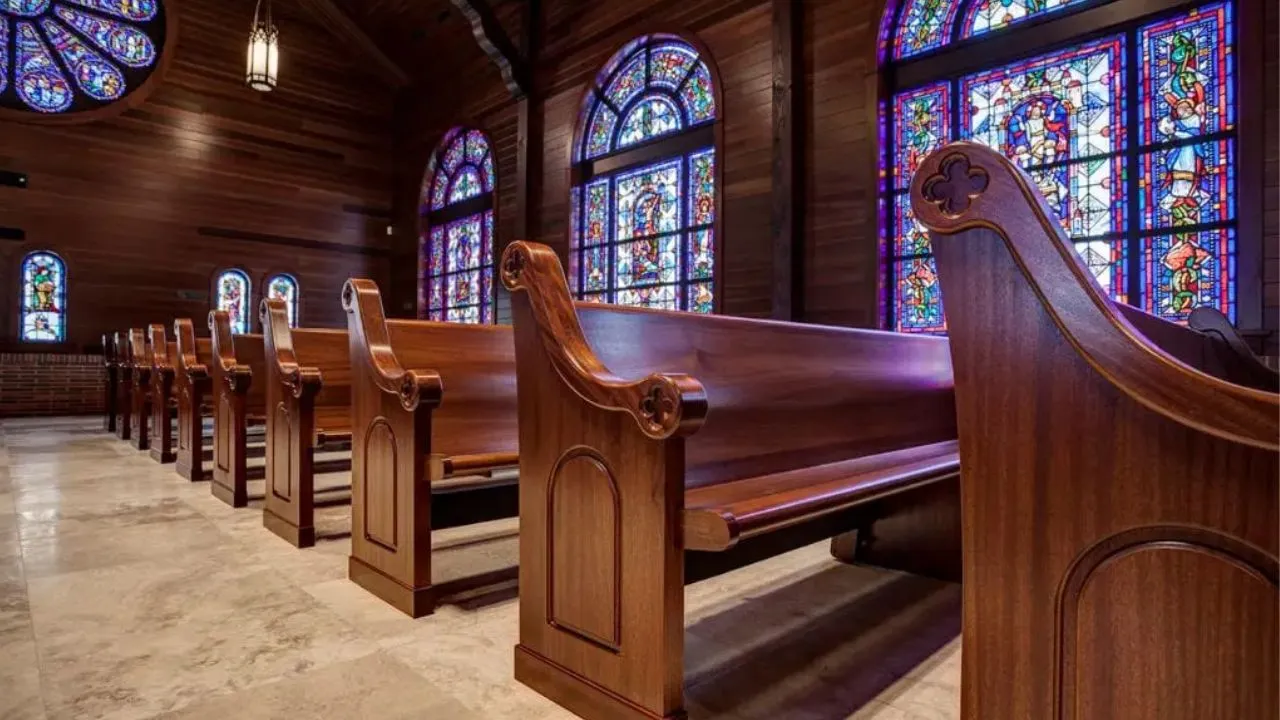
Upholstered Pew and Bench Care
Upholstered seats or backs appear on some synagogue pews. These areas need fabric and padding care near the bimah, table, and platform for reading.
Upholstered pews may require separate conservation treatments. Fabrics and padding can get aged differently.
If worn padding requires replacing, high density foam is recommended. This can help restore comfort while supporting the seating structure.
Ashkenazi communities dust the bimah table, platform, and clean upholstery. Read placement tips, learn, then use damp sponge on fresh upholstery stains.
Repairing Historic Synagogue Seating
Many older synagogues have custom pews and benches that are hard to reproduce. Their woodwork may also hold special meaning for the congregation.
Unique Woodwork and Details
Special wood species, carved panels, memorial plaques and built-in book racks are some of the elements that could be part of historic furniture. These details can make replacement harder.
Temple Ohabei Shalom is the oldest congregation in Massachusetts. In 2015, Studio Gruss restored the bimah at the Congregation Kral of the Temple which illustrates the art of protecting historic synagogue interiors.
Studio Gruss was also responsible for the creation of carved walls for Central Synagogue in 1998. The projects demonstrate the benefits of good craft in the preservation of significant synagogue lands.
Preserving Original Furniture
When possible, cabinet repair keeps original furniture in place. This can honor the history and design of the worship space.
The right choice is determined by the type of furniture, the damage, the budget. It’s the long-term requirements for furniture care.
Understanding the Bimah and Synagogue Seating
The Bimah and Its Role
A bimah is a raised platform in a synagogue. It traditionally holds the table used to read the Torah.
The bimah is usually situated in the middle of the majority of synagogues. The Talmud states that central placement is for the purpose of communal Torah reading and for easier participation.
In many instances, a bimah will be elevated several steps above the ground and will be made of Ashkenaz. Elevation of the bimah varies according to traditions and may provide some difficulty in seeing and accessing it.
Podium, table, or other custom-made woodwork can be added to a bimah. The design may also be related to the synagogue’s ark, the rabbi, those who attend the synagogue, as well as the synagogue’s worship.
The Aron Kodesh and Synagogue Layout
The Torah ark, known as aron kodesh, holds Torah scrolls near reading table. Its placement and design can form an important part of the synagogue interior.
Some of the arks point towards Jerusalem, following traditional architecture of the synagogues. The seating, the bimah, the ark, and other elements must relate to the other as a single space.
Repair vs. Replacement
Not all of a church’s pews are damaged and require replacement. The choice of the right one depends on its structure, materials, damage, usage and repair budget.
When Repair May Work
If the main structure remains solid, targeted repairs may extend its useful life. Refinishing and reinforcement can improve the ark’s appearance and strength for rabbis.
Regular inspections support synagogue pew bench repair by spotting damage. They also help congregations plan repairs before problems become larger.
When Replacement May Be Needed
Replacement may be needed when severe damage affects the main structure. Extensive moisture damage or material failure may also require new components.
An inspection can help guide the decision. This gives the congregation useful information before starting a larger project.
Dr. Cabinet Advice
“Inspect synagogue seating before choosing replacement. Solid structures may only need targeted repairs, refinishing, or reinforcement. Early attention can help preserve original woodwork and prevent smaller problems from becoming more extensive.”
Caring for Synagogue Wood Furniture
Regular Cleaning and Spill Care
Proper care helps synagogue furniture serve communities for longer. A maintenance plan protects the wood and upholstery well. Be sure to dust and clean regularly, first. Remove spills quickly before they reach the wood or padding.
Humidity and Furniture Inspections
Keep humidity stable between 40%-60% during synagogue pew bench repair. Stable levels limit cracking, swelling, and warping in Orthodox communities.
Check pews, benches, and the bimah during regular inspections. Check for cracks, peeling, loose joints, creaking and rising parts of your home.
Safe Cleaning and Disinfection
Select suitable cleaning products and soft materials for wood. Learn from comments, photo examples, and led cleaning guides.
During busy worship periods, disinfect high-touch furniture regularly. Apply appropriate wipes (which do not contain bleach) and follow the directions for the care of the finish as provided by the finish manufacturer.
The following are simple precautions that will help preserve historic furniture. They can also help to maintain a clean, accessible and welcoming worship environment.
Professional Synagogue Pew Bench Repair in NYC and New Jersey
Dr. Cabinet provides professional synagogue pew bench repair services throughout New York City and New Jersey.
Our team inspects individual pews, benches, and bimah furniture closely. We also examine wooden seating near the ark and sanctuary center. Services can include repair, restoration, cabinet refinishing, touch-up, or structural reinforcement.
Preserving original materials surrounded by historical value matters in our work. We consider the furniture’s condition, design, use, and repair budget before recommending work.
Restore worn pews with help from Dr. Cabinet. Call 201-212-5477 for a synagogue pew bench repair consultation.
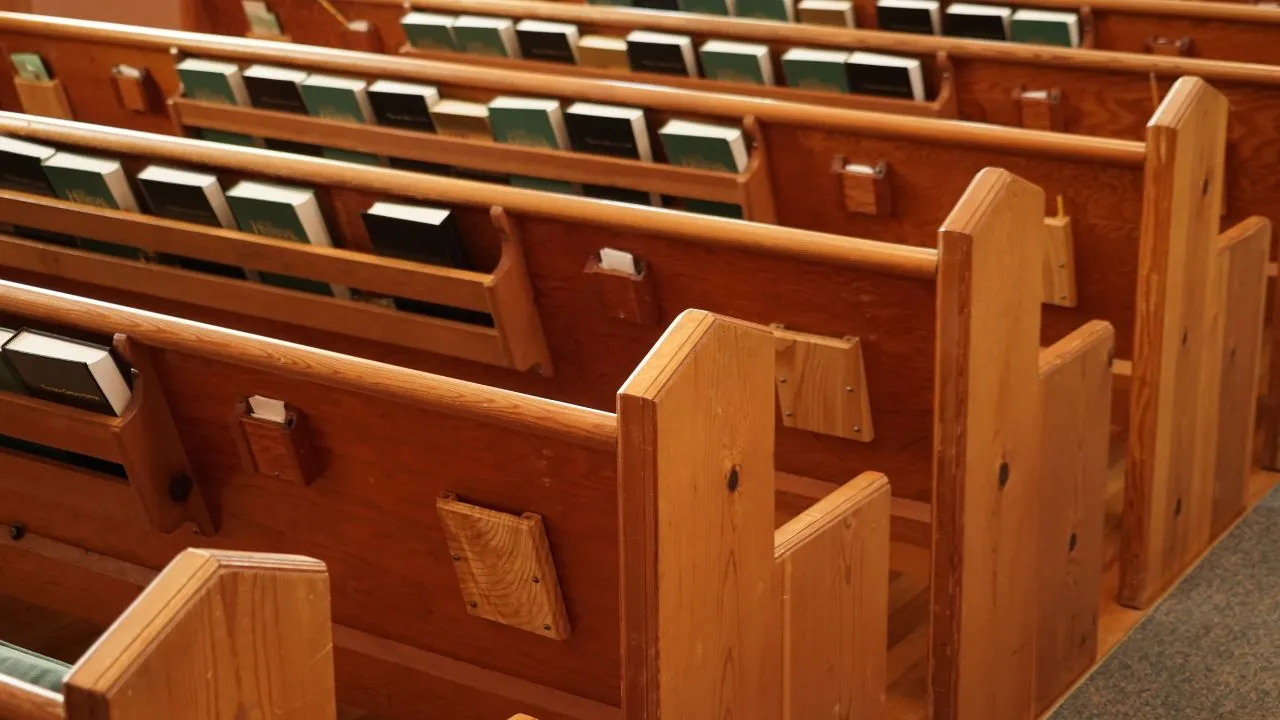
FAQs
Q: Can synagogue pews be repaired instead of replaced?
A: Yes. If the solid pews are cracked, loose, or have worn finishes or other trim issues, they may only require repairs.
Q: Do you repair loose or unstable synagogue benches?
A: Yes. We inspect the joints and supports first. Repairs can then improve stability and safe use.
Q: Can you repair scratches and damaged wood finishes?
A: Yes. Small scratches may need touch-up work. More serious damage may need refinishing or wood repair.
Q: Do you restore old synagogue pews?
A: Yes. Older pews can often be restored. We are looking to retain their original design and feel.
Q: Can you repair only one damaged section of a pew?
A: Yes. A minor repair may be all that is required for localized damage. The target can be seat, armrest, panel, trim or support.
Q: Do you provide synagogue bench refinishing?
A: Yes. Refinishing can improve worn surfaces. Work may include color matching, stain work, touch-up, and finish repair.
Q: Can water-damaged synagogue benches be repaired?
A: Sometimes. We first inspect the moisture damage. Some parts may be repaired, while badly damaged sections need replacement.
Q: Can you match the existing wood color?
A: Often, yes. We check the existing wood and finish. We then prepare to ‘match’ the repaired area with adjacent surfaces.
Q: Do you repair multiple pews for larger synagogue projects?
A: Yes. Single pews or whole seating groups can be repaired. Can be used for woodwork, including benches and pews.
Q: What areas does Dr. Cabinet serve?
A: Dr. Cabinet practices in NYC and NJ. Workers complete synagogue pew bench repair and total seat restoration.
Q: How should synagogue pews be cleaned?
A: Use a soft cloth to dust wood. Do not use very hot or rough cleaners or abrasive tools as this could damage the paintwork.
Q: How should upholstered synagogue seating be cleaned?
A: Wipe up fresh stains with a damp sponge as soon as possible. Periodic upholstery maintenance prevents oils that led to fabric damage.
Q: What humidity level is best for synagogue wood furniture?
A: Keep indoor humidity between 40% and 60%. Stable levels keep wood stable in place for years, avoiding cracks.
Q: Why should synagogue seating receive regular inspections?
A: Inspections help Orthodox congregants find cracks, loose parts, and creaks early. Early repairs may limit damage in located areas over years.
Conclusion
Synagogue pew bench repair can often be done without full replacement. There are loose joints, cracked or broken surfaces, and worn finishes. And also be damaged trim, upholstery and structural issues. These are all problems a professional restoration can solve.
Post-repair care helps protect center furniture and historic details. Routine checks on a raised platform protect sacred objects from damage. Gentle cleaning, stable humidity, and proper disinfection preserve contemporary reverence.
Dr. Cabinet provides synagogue pew bench repair services throughout New York City and New Jersey. Our team can assess the seating and help identify a practical repair approach.
Ready to repair your synagogue benches? Dr. Cabinet can help. Call 201-212-5477 to get started.