
This guide compares cabinet types, materials, costs, and warranties. You will learn how to choose the right cabinet making companies. Dr. Cabinet also explains services that fit your budget.
What separates premium cabinet makers from the rest comes down to quality construction and things like plywood boxes, dovetail joints, and durable finishes that stand up to daily life.
Dr. Cabinet helps you compare your options. Our team offers custom cabinets built for your space, plus refacing and refinishing for the cabinets you already own. Below, you will find our service options, a materials guide, and tips for choosing the right cabinet making companies.
Dr. Cabinet Service Options in 2026
Dr. Cabinet repairs, restores, and builds cabinets for kitchens and bathrooms. Here are the services that fit most projects.
1. Custom Cabinets Maker
Overview: Cabinets built to your exact measurements, door style, finish, and hardware. See our custom cabinets maker service.
Best For: Unusual layouts and one-of-a-kind designs.
2. Cabinet Refacing
Overview: New doors, drawer fronts, and finishes on your current cabinet boxes. Learn about cabinet refacing.
Best For: A fresh style when your cabinet boxes are still solid.
3. Cabinet Refinishing
Overview: Worn finishes are sanded, repaired, and refinished in a new color or stain. See cabinet refinishing.
Best For: Dull, scratched, or dated cabinet finishes.
4. Cabinet Repair
Overview: Fixes for loose hinges, broken drawers, and peeling veneer. Our cabinet repair team restores function fast.
Best For: Damage that does not need full replacement.
5. Cabinet Installation
Overview: New cabinets are leveled, secured, and adjusted for a clean fit. We offer cabinet installation and kitchen cabinet installation.
Best For: Homeowners who bought cabinets and want a pro to install them.
6. Cabinet Remodeling
Overview: Cabinet updates as part of a full kitchen or bathroom remodel. Explore cabinet remodeling.
Best For: Whole-room updates with new layouts and finishes.
Dr. Cabinet Service Comparison Table
| Service | What You Get | Best For |
| Custom cabinets | Cabinets built to your space | Unique layouts |
| Refacing | New doors and finishes on existing boxes | Style updates |
| Refinishing | A fresh color or stain | Worn finishes |
| Repair | Fixes for hinges, drawers, and veneer | Damaged cabinets |
| Installation | Precise leveling and secure mounting | New cabinet installs |
| Remodeling | Cabinet updates in a full remodel | Whole-room projects |
Not sure which service fits your project? Call Dr. Cabinet at 201-212-5477 for a free quote.Cabinet Materials & 2026 Trends: What Really Matters
Not all cabinets are built the same, and the materials make all the difference. You wouldn’t buy a car without checking under the hood, right? The same goes for kitchen and bath cabinetry. Here’s the real deal on what to look for in top-quality materials in 2026.
The Cabinet Material Showdown
Solid Wood (The Gold Standard)
- Best for: Traditional styles, durability
- Top picks: Hickory (toughest), cherry (rich color), maple (smooth finish)
- Reality check: Expensive (up to $1,500 per linear foot for custom work), but lasts 50+ years.
Plywood Construction (The Smart Choice)
- Why it wins: Resists warping better than particleboard. Quality cabinet makers use it for drawer boxes.
- Look for: “Baltic birch plywood” – the good stuff.
MDF (The Budget Player)
- Pros: Cheap (under $200/lf), smooth for painted finishes.
- Cons: Swells if wet. Fine for doors, risky for bases in humid areas.
- Eco-Friendly Options (2026’s Rising Star)
Bamboo: Harder than oak, sustainable.
- Reclaimed wood: Farmhouse charm + green points.
- Brands to watch: Shenandoah Cabinetry leads here.
2026 Cabinet Industry Trends: What’s Hot Now
The cabinet world is moving beyond basic boxes. Here are the top 5 trends transforming kitchens and baths this year:
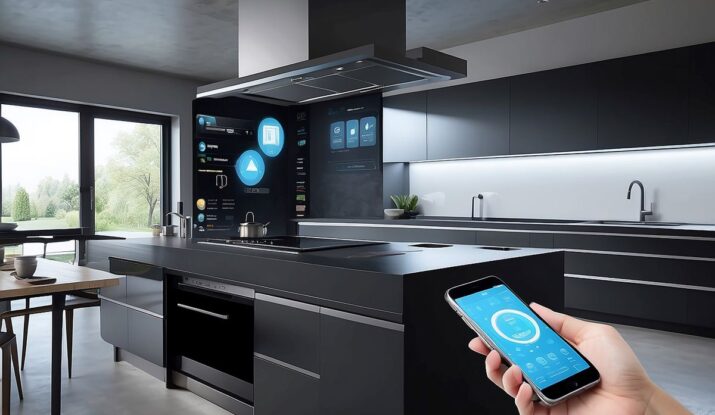
- Smart Technology Integration
Gone are the days of plain cabinets. Now, tech-enhanced storage is king:
- Motion-sensor lights inside drawers (no more fumbling in dark corners)
- USB charging stations built into drawer fronts
- App-controlled locks for pet food/cabinet for medicine
Pro Tip: Many cabinet making companies offer these as add-ons for about 150–300 per cabinet.
- Open Shelving (But Smarter)
Open shelves aren’t new, but 2026 brings upgrades:
- Mixed materials: Pair wood shelves with metal brackets
- Hidden supports: Floating shelves with invisible mounting
- Closed-open combos: Upper cabinets with glass-front doors + open shelves beside them
Watch Out: Not for everyone—dust-prone homes may hate the upkeep!
- Shaker-Style Cabinets Evolve
The classic Shaker cabinet gets fresh twists:
- Two-tone finishes: Navy lowers + white uppers
- Thinner frames: Modernizes the traditional look
- Matte black hardware: Replaces dated brass
Dr. Cabinet Tip: We can build shaker-style doors in two-tone finishes through our custom cabinet maker service.
- Minimalist Cabinets
Less clutter, more function:
- Handleless doors: Push-to-open mechanisms
- Flat-panel designs: Zero ornamentation
- Hidden vents: Disguised as cabinet fronts
Best For: Small kitchens—creates illusion of space.
- Sustainable & Warm Tones
- Wood stains: Honey oak and walnut replacing gray
- Bamboo veneers: Durable and renewable
- Reclaimed wood: Salvaged barn doors as accent pieces
What to Avoid
- Particleboard bases in wet areas (bathrooms, under sinks).
- Cheap veneers that peel (look for full-overlay doors).
- Trends that age poorly (remember orange oak in the 90s?).

Custom vs. Semi-Custom vs. Stock Cabinets: What Is Right for You?
The crucial decision in cabinet selection revolves around custom, semi-custom, and stock options. So, let’s break it down in detail, each has its own pros, cons, and best uses.
1. Custom Cabinets (The Luxury Choice)
What They Are:
- Fully built from scratch to your exact specifications.
- Made by high-end cabinet making companies. Dr. Cabinet and other local craftsmen.
- Unlimited design options—unique sizes, exotic woods, intricate details.
Pros:
- Perfect fit for awkward spaces (angled walls, high ceilings).
- Highest quality (dovetail joints, solid wood, premium finishes).
- Total personalization—want a hidden coffee station or pull-out pet food drawer? Done.
Cons:
- Expensive (500–1,500+ per linear foot).
- Long lead times (12–16 weeks, sometimes more).
- Overkill for simple projects (if your kitchen is standard-sized, you might not need it).
Best For:
- Luxury homes
- Unusual layouts
- Clients who want one-of-a-kind designs
2. Semi-Custom Cabinets (The Sweet Spot)
What They Are:
- Pre-designed styles with some modifications (sizes, finishes, hardware).
- Many cabinet making companies offer these as a middle option between stock and fully custom.
- These cabinets deliver both cost effectiveness and adaptability.
Pros:
- More affordable (200–600 per linear foot).
- Faster turnaround (6–10 weeks vs. custom’s 12+).
- Good quality (often plywood boxes, soft-close hinges).
Cons:
- Limited sizing (may need filler panels for odd spaces).
- Fewer door style options than full custom.
Best For:
- Most homeowners (best value for money).
- Those who want some personalization without custom prices.
3. Stock Cabinets (The Budget Option)
What They Are:
- Mass-produced, standard sizes (Home Depot, Lowe’s, IKEA).
- Ready to take home (or ship quickly).
- Lowest cost but limited adjustments.
Pros:
- Cheapest (50–200 per linear foot).
- Immediate availability (no wait time for IKEA’s modular systems).
- DIY-friendly (easy to assemble)
Cons:
- Low durability (often particleboard, thin veneers).
- Generic sizes (may leave gaps in your kitchen).
- Few style choices (mostly basic shaker or slab doors).
Best For:
- Rental properties
- Temporary solutions
- DIYers on a tight budget
Quick Comparison Table
| Feature | Custom Cabinets | Semi-Custom Cabinets | Stock Cabinets |
| Price | 500–1,500+/lf | 200–600/lf | 50–200/lf |
| Lead Time | 12–16+ weeks | 6–10 weeks | Immediate–2 weeks |
| Flexibility | Unlimited | Some modifications | Fixed sizes |
| Quality | Premium (solid wood) | Good (plywood) | Basic (particleboard) |
| Best For | Luxury, unique spaces | Most homeowners | Budget/rentals |
Which Should You Choose?
- “I want heirloom-quality, no compromises” → Custom (Dr. Cabinet custom cabinets).
- “I need good cabinets that fit my budget” → Semi-Custom (Dr. Cabinet can help you compare options).
- “I’m flipping a house or renting” → Stock (IKEA, big-box stores).
Pro Tip: Many semi-custom lines now offer “custom features” (e.g., built-in organizers) without full custom prices.

How to Choose the Right Cabinet Making Companies
Your kitchen or bathroom renovation requires you to select the ideal kitchen cabinet company among all available options. When there are numerous options promising high-quality cabinet products, which strategy allows you to distinguish superior choices from ordinary ones? This guide provides you with a systematic approach to make the right selection.
1. Research Manufacturing Facilities & Reviews
Not all cabinet makers operate the same way. Here’s what to look for:
Visit the Workshop (If Possible)
- Local custom cabinet making companies often allow tours. Look for:
- Clean, organized workspaces (sign of professionalism).
- High-quality machinery (CNC routers for precision cuts).
- Proper material storage (wood kept at stable humidity).
- Top kitchen cabinet brands have factory tours online.
Check Reviews & Ratings
- Google, Yelp, Houzz, BBB: Look for consistent praise on:
- Craftsmanship (Are joints tight? Do doors align perfectly?)
- Customer service (Do they respond quickly to issues?)
- Reliability (Do they deliver on time?)
Red flags: Multiple complaints about warping, poor installation, or hidden fees.
Pro Tip: Ask for customer references—especially from projects similar to yours.
2. Compare Door Styles, Finishes & Hardware
The devil is in the details. A cabinet company might look good on paper, but these elements reveal true quality:
Door Fronts & Construction
- Solid wood doors (best for traditional styles) vs. MDF (smooth for painted finishes).
- Joinery: Dovetail or mortise-and-tenon joints last longer than stapled boxes.
- Framed and Frameless Construction:
- Framed (traditional) – Face frames add stability.
- Frameless (Euro-style) – More storage space, modern look.
Finishes
- Painted: Should be even, no drips (ask about UV-cured finishes for durability).
- Stained: Grain should be visible, not blotchy.
- Eco-friendly options: Low-VOC paints, water-based stains.
Hardware Matters
- Hinges: Soft-close is a must (Blum or Grass brands are best).
- Drawer slides: Full-extension, rated for 100+ lbs.
- Knobs/Pulls: Match your style (test samples for comfort).
Key Question: “Can I see a finished cabinet sample?” (Check for smooth edges, even stain, and sturdy hardware.)
3. Ask About Warranties & Customer Service
A cabinet maker’s warranty tells you how much they stand behind their work.
What to Look For:
Duration:
- Lifetime warranties (often offered by high-end makers).
- 10–15 years (common for mid-range lines).
- 1–5 years (budget brands—avoid if possible).
Coverage:
- Structural defects (cracking, warping).
- Finish defects (peeling, fading).
- Hardware malfunctions (hinges, slides).
Typical Warranty Terms
- Covers defects in materials and workmanship.
- Often non-transferable (only for the original buyer).
- Excludes damage from moisture or improper installation.
Must-Ask Question: “What exactly does your warranty cover—and what voids it?”
4. Get Quotes from Cabinet Making Companies & Compare Fairly
Don’t just go for the cheapest bid. Compare:
- Materials used (plywood vs. particleboard).
- Included features (soft-close hinges, organizational inserts).
- Installation costs (some include it, others don’t).
Red Flag: A quote significantly lower than others likely cuts corners.
Dr. Cabinet gives free quotes for cabinet installation and cabinet remodeling projects. Call 201-212-5477 to compare.
5. Check Lead Times & Communication
- Custom cabinets: 12–16 weeks (handcrafted takes time).
- Semi-custom: 6–10 weeks.
- Stock: Immediate–2 weeks.
Good Sign: The company gives realistic timelines and updates you proactively.
Final Checklist Before Hiring Cabinet Manufacturers
Before signing a contract, ensure:
- You’ve seen physical samples (not just photos).
- The warranty is in writing.
- The quote details materials, labor, and delivery.
- They have experience with your cabinet style (e.g., frameless, inset).

Cabinet Budgeting & Cost Guide: How to Get Top Quality Without Overspending
Let’s talk numbers—because nobody wants to blow their dream kitchen budget on cabinets that don’t deliver. Whether you’re eyeing stock, semi-custom, or full custom cabinets, here’s exactly what to expect price-wise, plus smart ways to save without sacrificing quality.
- Understanding Cabinet Price Ranges
Cabinet costs vary wildly based on materials, craftsmanship, and brand. Here’s the breakdown:
Stock Cabinets (50–200 per sq. ft.)
- What you get: Mass-produced, standard sizes (think Home Depot, IKEA).
- Materials: Mostly particleboard or thin plywood with laminate finishes.
- Pros:
- Cheapest option.
- Ready for quick pickup/delivery (great for tight timelines).
- Cons:
- Limited sizes (may leave awkward gaps in your kitchen).
- Lower durability (hinges loosen faster, finishes chip).
- Best for: Rentals, flip houses, or temporary solutions.
Semi-Custom Cabinets (200–600 per sq. ft.)
- What you get: Modified pre-designed styles (choose your sizes, finishes, and hardware).
- Materials: Plywood boxes, solid wood doors, soft-close hinges.
- Pros:
- Balance of affordability and customization (choose finishes, hardware).
- Better durability than stock.
- Cons:
- Fewer size adjustments than full custom.
- Best for: Most homeowners who want quality without custom prices.
Custom Cabinets (600–1,500+ per sq. ft.)
- What you get: Handcrafted, made-to-order (Dr. Cabinet custom cabinets).
- Materials: Solid hardwoods, exotic veneers, dovetail joints.
- Pros:
- The design suits non-standard areas (walls with angles or elevated ceilings).
- Highest-end finishes and hardware.
- Cons:
- Long lead times (12+ weeks).
- Most expensive by far.
- Best for: Luxury homes, historic properties, or anyone who wants heirloom-quality cabinets.
- Where Does the Money Go?
Why the huge price gaps? Here’s what you’re really paying for:
- Material costs: Solid cherry vs. MDF doors can double the price.
- Labor: Hand-sanding and finishing add hours (and dollars).
- Brand markup: High-end names charge for prestige.
Example:
- A 10’x10’ kitchen (30 sq. ft. of cabinets):
- Stock: 1,500–6,000
- Semi-custom: 6,000–18,000
- Custom: 18,000–45,000+
- Smart Ways to Save on Cabinets
Want premium materials delivering top-quality cabinets without the custom price tag? Try these tricks:
Go Semi-Custom Instead of Full Custom
- Many semi-custom makers offer “custom features” (pull-out shelves, specialty finishes) at semi-custom prices.
- Save 5,000–5,000–15,000 on a mid-sized kitchen.
Reface Instead of Replace
- Keep your existing cabinet boxes, swap doors/drawers (+ new finishes).
- Costs 50–70% less than all-new cabinets.
- Works if your current layout is functional.
Dr. Cabinet offers cabinet refacing and cabinet refinishing to refresh the cabinets you already own.
Time Your Purchase Right
- Best sales months: January (post-holiday), July (mid-year clearance).
- Pro tip: Ask about “floor model” discounts at showrooms.
Mix High & Low
- Spend on visible areas (upper cabinets, island) with semi-custom.
- Use stock for pantries/utility areas.
DIY What You Can
- Assemble RTA (ready-to-assemble) cabinets yourself (IKEA, Barker).
- Hire a pro just for installation.
- Hidden Costs to Watch For
- Delivery fees: Can add 200–200–500 (especially for heavy custom orders).
- Installation: 50–50–150/sq. ft. extra if not included.
- Design changes: Altering plans mid-process often triggers fees.
Ask upfront: “What’s NOT included in this quote?”
- How to Set Your Budget
- Measure your space (get exact sq. footage).
- Prioritize needs: Splurge on the island, save on pantry cabinets.
- Get 3 quotes (compare materials, warranties, lead times).
Rule of thumb: Allocate 25–35% of your total kitchen remodel budget to cabinets.
Final Thought
You can get beautiful, functional cabinets at almost any budget—it’s all about knowing where to invest and where to cut back. Whether you go stock, semi-custom, or custom, focus on:
- Durable materials (plywood > particleboard).
- Trusted brands (check warranties!).
- Smart compromises (like refacing or mixing tiers).
How to Measure for Cabinets: A Foolproof Guide
Before you order cabinets (stock, semi-custom, or custom) you need precise measurements. The most beautiful cabinets in the world won’t work if they don’t fit your space. Here’s a how to measure like a pro, avoid costly mistakes, and have a smooth installation.
Step 1: Gather the Right Tools
You’ll need:
- Tape measure (25 ft. metal is best)
- Notepad & pencil (or a phone app for notes)
- Level (to check for uneven walls/floors)
- Laser measure (optional) – Great for large spaces
Pro Tip: Take photos of your space from multiple angles—they help when planning layouts.
Step 2: Measure Wall Dimensions
- Overall Wall Length
- Measure left to right at countertop height (usually 36″ from the floor).
- Do this in multiple spots (walls aren’t always straight).
- Ceiling Height
- Measure from the floor to the ceiling in at least 3 spots (old homes often have uneven floors).
- Standard cabinet heights:
- Upper cabinets: 30″–42″ tall
- Lower cabinets: 34.5″ tall (with countertop = 36″)
Critical Check: If your ceiling height varies, use the shortest measurement to ensure cabinets fit everywhere.
Step 3: Mark Obstructions
Measure around:
- Windows & Doors
- Distance from corners to trim
- Height from floor to sill
- Vents, Outlets & Plumbing
- Note exact locations (a misplaced cabinet can block a sink drain!)
- Appliances
- Fridge, range, and dishwasher openings (standard sizes: 30″, 36″, 24″)
Big Mistake to Avoid: Forgetting to account for door swings—you don’t want a cabinet door hitting your fridge!
Step 4: Measure for Upper & Lower Cabinets Separately
Lower (Base) Cabinets
- Depth: Standard is 24″ (including countertop overhang).
- Height: Usually 34.5″ (plus 1.5″ countertop = 36″).
- Toe kick space: Leave 3″ deep x 4″ high at the bottom.
Upper (Wall) Cabinets
- Depth: Typically 12″ (but up to 24″ for pantry units).
- Height: Varies (30″–42″), but 18″ clearance above countertops is standard.
Pro Tip: For open shelving, measure where you want open space vs. closed cabinets.
Step 5: Double-Check for Squareness
Old houses often have out-of-square walls. Here’s how to check:
- Measure diagonally from corner to corner (both directions).
- If numbers don’t match, your room isn’t square.
- Solution:
- Order adjustable filler panels
- Opt for custom cabinets if the difference is >1″
Step 6: Sketch Your Layout
- Use graph paper or a free app like Kitchen Planner (IKEA) or SketchUp.
- Label:
- Cabinet sizes (e.g., “36” sink base”)
- Appliance locations
- Obstructions (vents, outlets)
Step 7: Bring Measurements to a Pro (If Unsure)
Even if you’re DIY-ing, many cabinet dealers offer:
- Free design consultations
- 3D renderings (to visualize before buying)
- Final measurements (they’ll verify yours)
Red Flag: If a company doesn’t double-check your measurements, keep looking!
Final Checklist Before Ordering
- All walls were measured in multiple spots
- Obstructions marked (outlets, pipes, windows)
- Ceiling height variations noted
- Layout sketched (with cabinet sizes labeled)
One Last Tip: Order 10% extra material (like filler strips) in case of measurement errors.

Cabinet Installation, Maintenance & Warranties: What You Need to Know
It’s exciting to get new cabinets, but how they are installed and cared for determines how long they will last. Whether you’re talking to cabinet dealers about a kitchen remodel or bath dealers about a vanity upgrade, here’s what you need to know about installation options, how to keep your cabinets looking new, and how to understand those all-important warranties.
Installation: Should You DIY or Hire a Pro?
Hiring Professional Cabinet Making Companies
Best for: Most homeowners who want perfect results
- Why it’s worth it:
- Perfect alignment (no crooked doors or gaps)
- Proper support for heavy cabinets (they won’t come crashing down)
- Time savings (what takes you a weekend takes pros 1-2 days)
- What to expect:
- Costs 50−50−150 per linear foot installed
- Typically includes:
- Precise leveling and securing
- Hardware installation
- Final adjustments
- How to find good installers:
- Ask your cabinet dealer for recommended crews
- Check reviews specifically for installation quality
Dr. Cabinet offers professional cabinet installation and kitchen cabinet installation for new cabinets.
DIY Installation
Best for: Handy homeowners with simple cabinet systems
- When it makes sense:
- Installing stock cabinets from big-box stores
- Working with pre-assembled units
- You have basic carpentry skills
- Challenges you’ll face:
- Getting everything perfectly level (rent a laser level!)
- Hanging uppers safely (they’re heavier than they look)
- Making precise cuts for plumbing/electrical
- Tools you’ll need:
- Stud finder
- Level
- Cabinet screws (not just drywall anchors!)
Pro Tip: Even if you DIY, consider hiring a pro just for the upper cabinets – they’re the trickiest to install safely.
Cabinet Maintenance: Keep Them Looking New
Daily Care
- Cleaning:
- Use microfiber cloths (no scratchy sponges)
- Mild soap and water for most finishes
- Avoid harsh chemicals (they strip finishes)
- Hardware Care:
- Tighten loose screws every 6 months
- Lubricate drawer slides annually
Preventing Damage
- Humidity control:
- Use dehumidifiers in damp climates
- Wipe up spills immediately (especially near sink bases)
- Protective measures:
- Felt bumpers on doors
- Trivets under hot items
Special Case – Bath Cabinets:
- Need extra ventilation
- Choose water-resistant finishes
- Check for moisture damage annually
Understanding Cabinet Warranties
What Most Warranties Cover
- Structural defects: Cracking, warping
- Workmanship issues: Poor joinery, finish flaws
- Hardware failures: Hinges, slides
What They Don’t Cover
- Damage from:
- Water/moisture
- Improper installation
- Normal wear and tear
Common Warranty Lengths
- Many semi-custom lines: 10-year limited warranty
- Some high-end lines: lifetime coverage on select products
- Some retailers: coverage on certain components only
Key Questions to Ask:
- “Does this cover finish wear?”
- “Who handles repairs – you or local contractors?”
- “Is the warranty transferable if I sell my home?”
Making the Most of Your Warranty
- Register it immediately after purchase
- Keep all paperwork (receipts, warranty documents)
- Take before/after photos during installation
- Report issues early – don’t wait until year 9 of a 10-year warranty
Final Thoughts
Whether you’re working with cabinet making companies on a gourmet kitchen or bath dealers on a spa-like vanity, remember:
- A good installation prevents 90% of future problems
- Simple maintenance keeps cabinets beautiful for decades
- Understanding warranties saves headaches down the road
Pro Tip: Ask your dealer about extended warranty options – sometimes worth the small extra cost!
Ready to upgrade your cabinets? Call Dr. Cabinet at 201-212-5477 for a free quote on custom cabinets, cabinet refacing, or cabinet repair.
FAQs
How do I find the best cabinet making companies near me?
Cabinet making companies sell through lumber outlets, home centers, and specialty retailers. Ask a kitchen designer to compare options.
What’s the difference between custom, semi-custom, and stock cabinets?
Custom cabinetry fits your exact space, while semi custom cabinetry adds options. Some lines offer three series to suit every taste.
How long does it take to get new cabinets?
Kitchen cabinetry arrives in 1–2 weeks for stock, 6–10 for semi-custom, and 12–16+ for custom. Dr. Cabinet shares timelines in your quote.
Are frameless cabinets better than framed ones?
Frameless cabinetry opens wider inside, while framed cabinetry is sturdier. Some makers offer both styles with custom capabilities.
What questions should I ask cabinet makers before hiring?
Ask about construction quality and quality hardware. Solid wood cabinets should meet rigorous Cabinet Manufacturers Association standards.
How much should I budget for quality cabinets?
Plan $50–$200 per sq. ft. for stock and $200–$600 for semi-custom. Custom cabinets run $600–$1,500+ per sq. ft., so set a budget early.
Can I install perfect cabinets myself?
Some suppliers sell RTA and pre-assembled cabinets at affordable prices. Pros should install custom and semi-custom kitchen cabinets.
What cabinet material lasts the longest?
Wood cabinetry in hickory hardwoods or soft maple lasts longest. Cabinets made from 95% sustainable American hardwoods are eco-friendly.
How do I maintain my cabinets?
Wipe kitchen cabinet doors with a damp cloth to protect natural wood. Skip harsh cleaners, tighten hinges yearly, and fix leaks fast.
Should I reface or replace old cabinets?
Reface sound boxes for a fresh look, like timeless Shaker or high-gloss doors. Replace if you need a new layout or doors fall apart.
Conclusion
Trusted cabinet making companies balance construction quality, style, and price. Kitchen cabinetry and bath cabinets need quality hardware and sturdy wood species. Hickory lumber and soft maple give high quality cabinetry lasting strength. Cabinets made from 95% sustainable American hardwoods appeal to eco-conscious buyers.
Many makers offer framed and frameless cabinetry with custom capabilities. Compare cabinet making companies and ask a kitchen designer for guidance. Dr. Cabinet is a kitchen cabinet company providing top quality cabinets. Call us today for custom cabinetry and fine cabinetry repair.
Ready to transform your kitchen? Call Dr. Cabinet at 201-212-5477 for a free quote today.