
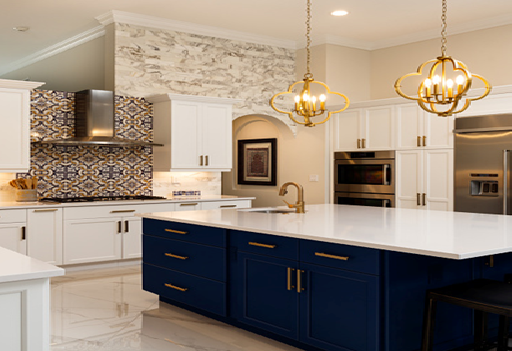
Cabinets are one of the most used features in any home. Whether it’s your kitchen, bathroom, laundry room or home office, cabinets are opened and closed dozens of times a day – so it’s no wonder that scratches, dents, peeling or faded areas eventually appear. And while cabinet replacement is costly, most everyday wear and tear problems can be resolved at home with the right cabinet touch-up kits cleaning tools.
A well-chosen touch up kit helps you restore color, conceal scratches, clean built up grime and restores the overall look of your cabinetry without letting a contractor in and spending thousands on new units. In most of the cases, a simple cleaning or small repair is all that you need to make the original finish come alive again.
This guide breaks down:
- The most common forms of cabinet damage
- How to select the right cabinet touch up kit
- The best DIY products to have in your home
- When to use a kit and when to call in a professional
- How cabinet repairs affect home resale value
- Why so many homeowners in the U.S. prefer expert repair services like Dr. Cabinet.
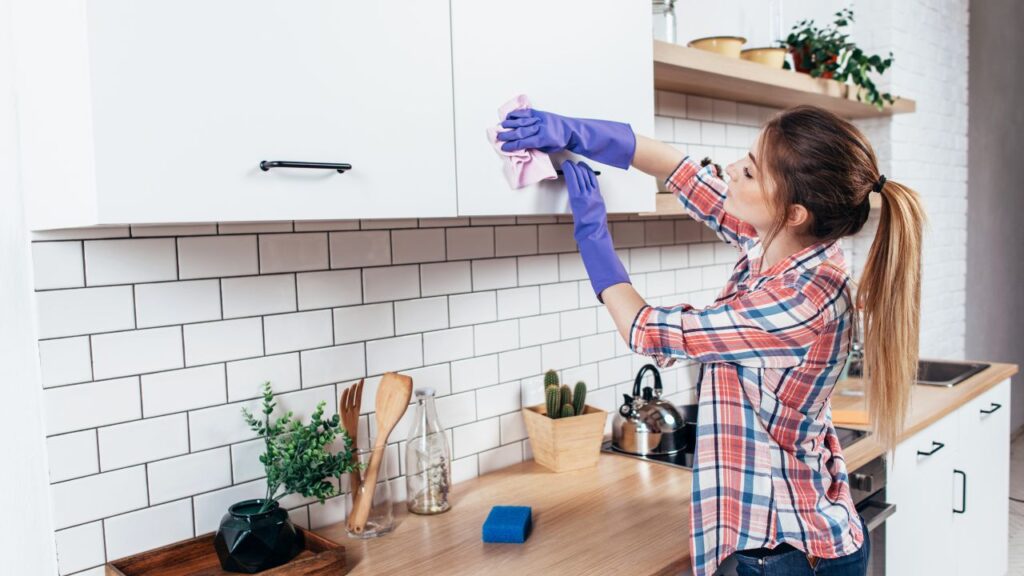
Before selecting any of the cabinet touch-up kits cleaning tools it is important to know what kind of problem you are dealing with. Most of the issues coming into cabinet fall into five groups:
1. Scratches
Scratches happen everywhere – children, pets, grocery, cans and pots and pans, sharp edges, even the bag and belt rubbing against the wood. Light scratches are generally removable with the touch-up marker or fill stick. More intense scratches may require sanding and staining.
2. Peeling or Chipping Finish
A peeling finish is generally caused by:
- Excess humidity
- Heat from appliances
- Harsh cleaning chemicals
- Aging polyurethane or varnishing
Areas that need to be peeled require a kit made for refinishing, not simply quick scratch repair.
3. Dents
A dent occurs when something heavy hits or presses into the wood like edges of furniture, dropped cookware or pushing a vacuum too close. Unlike scratches, dents do have an effect on the structure of the surface and often require filler before refinishing.
4. Water Damage
Very common in kitchens and bathrooms. Signs include:
- Swelling
- Rippling or warping
- Discoloration
- Mold or mildew
A normal cleaning kit will not remedy water damage, you will need a repair kit or, in serious cases, a professional evaluation.
5. Sun Fading
Wood stain and paint are ultimately worn out by direct sunlight. When a section of your cabinet looks lighter than the rest, it is probably sun exposure to blame. This requires that products be color matched or a complete refinishing kit.
It helps to recognize the type of damage because it enables you to select the right method – one of the biggest mistakes homeowners do is to use the wrong kit and make the problem worse.
How to Choose the Right Cabinet Touch-Up Kits Cleaning Products
Not all cabinets are created equal – neither are the kits to repair them. There are 3 factors that should be taken into consideration before purchasing anything:
1. Cabinet Material – Thermofoil, Painting, Laminate, wood.
- Cabinets made of solid wood can use stain markers, fill sticks and kits of refinishing.
- Laminate and thermofoil cabinets need peel and repair kits, adhesive solutions or special cleaning products.
- Painted cabinets require being touched up with a color match touch-up paint or touch-up pen of the same sheen.
2. Variety of Finish (Matte, Satin, Semi-Gloss, Gloss)
Finish is an issue as incorrect finish will be more noticeable than the scratch ever was.
For example:
- Matte cabinets require matte pens or stains
- Glossy cabinets require gloss compatible solutions
- Satin cabinets are sort of in-between
3. Type of Damage
Match the kit to the problem:
| Damage Type | Best DIY Solution |
|
Light scratches |
Touch-up marker |
| Deep scratches |
Fill stick + stain marker |
|
Peeling finish |
Adhesive + refinishing supplies |
|
Dents |
Wood filler + sanding |
| Fading |
Color-matching stain |
| Stubborn grime |
Heavy-duty cabinet cleaners |
If you’re not sure which to choose, get a kit that contains both touch-up pens and fill sticks, or contact a cabinet repair company such as Dr. Cabinet for advice.
Top 7 Cabinet Touch-Up Kits Cleaning Products Every Home Owner Should Have
Below are the most reliable and easy to use DIY tools for minor repairs of cabinets.
1. Touch-Up Markers (Stain or Paint Based)
Touch up markers are excellent for:
- Shallow scratches
- Light scuffs
- Places where the finish is worn off
How to use:
- Clean the area using a soft cloth.
- Shake the marker well.
- Test on a hidden spot.
- Apply in light strokes – not heavy pressure.
- Blend with a micro-fiber cloth.
- Seal with clear polyurethane spray for a best seal.
These markers are available in various shades, so that it is not difficult to match your cabinet color.
2. Soft Fill Sticks for Deep Scratches
A soft fill stick is like a crayon but made for treating wooden repairs. It works well for:
- Deep scratches
- Gouges
- Exposed wood lines
Steps:
- Choose a color that is close to your cabinet finish.
- Rub the fill stick back and forth over the scratch.
- Remove excess with a cloth.
- Lightly buff for a smooth appearance.
- Seal the repair if needed.
3. Replacement Hardware (Handles, Hinges, Knobs)
The damage is sometimes not the cabinet but the old or worn-out hardware. You can change your cabinets by simply replacing hinges or handles to put a new fresh look without refinishing anything.
Select contemporary and long lasting equipment especially when dealing with high humidity rooms.
4. Sanding Materials for Refinishing
When scratches and peeling are too severe for a simple touch-up, it is time to sand.
Tips:
- Start with a fine grit (220)
- Sand in a uniform direction
- Removal of dust with tack cloth
- Never oversand edges – they round easily
Proper sanding will enable stain, varnish or paint to bond better and last longer.
5. Gel Stain for Color Renewal
Gel stain is a homeowner favorite since it:
- Requires minimal prep
- Is used on wood and some laminates
- Gives consistent rich color
- Covers faded areas well
Basic steps:
- Apply a thick coat.
- Wipe away excess.
- Repeat until you create your required depth.
- Let dry fully before sealing.
6. The Paint Saint Touch-Up Tool
For painted cabinets, this tool is very convenient indeed. It lets you:
- Store left over paint for years
- Access a built-in brush
- Touch up small areas in an instant
- Avoid washing brushes after use
The air tight silicone gasket helps to keep the paint fresh, making it ideal for families with active kitchens that experience nicks and scuffs on a regular basis.
7. Tile Grout Touch-Up Pens (for tile enclosed cabinets)
If your backsplash or surrounding tile grout looks dingy the cabinets will not look clean no matter how often you polish them. A grout pen:
- Returns bright white or colored lines
- Works as a fast cosmetic fix
- Helps revamp the overall look of the kitchen
- Shake, press, apply, and let dry – no messy grout removal needed.
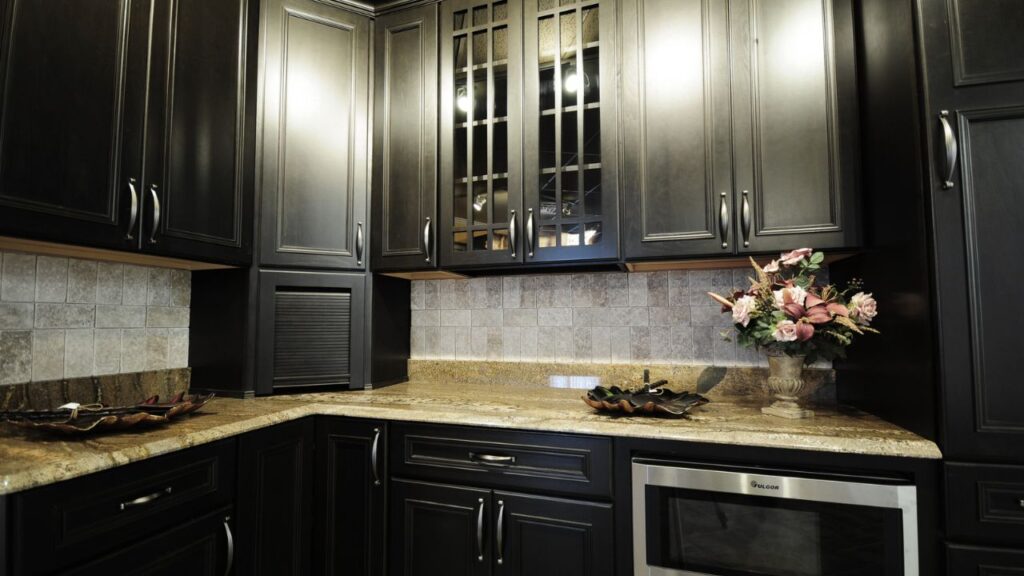
Step by Step Guide – How to Refinish Cabinets at Home
- For homeowners who are going through a full DIY refresh, here is a simplified workflow:
- Take out cabinet doors and hardware.
- Wipe surface with mineral spirits or denatured alcohol or any degreaser.
- Sand lightly for adhesion.
- Stain evenly or paint in smooth lines.
- Allow each coat to dry fully.
- Seal with a protective top-coat.
- Reattach hardware and re-install doors.
Done properly, your cabinets can look dramatically better for a fraction of replacement cost.
DIY vs. Professional Cabinet Repair When to Call in an Expert
DIY cabinet touch-up kits cleaning are very helpful – but not for all cases.
A professional service is the best solution when:
- The Damage Is Severe
Deep gouges, heavy peeling and warped doors or water-damaged panels need tools and techniques beyond DIY products.
- The Finish Is Complex
High-gloss lacquers, distressed finishes or one-of-a-kind stains require expert color-matching.
- You Don’t Have the Time (or Confidence)
Refinishing takes patience. If you rush it, things may be worse than your original damage.
- You Need To Have Perfect Color Matching
Older cabinets especially need professional grade matching to prevent mismatched marks of patchwork.
- You’re Getting Your Home Ready for Sale
Cabinetry is immediately noticed by buyers. Clean well-maintained cabinets can make a huge difference to the perceived value of your home.
How Cabinet Repairs Improve Resale Value
you should fix your kitchen door that needs a cabinet touch-up service before you sell your house.
In the US housing market, the two largest selling points are the kitchen and the bathroom. Buyers judge the state of a home on the basis of:
- Cabinet finish
- Door alignment
- Hardware condition
- Cleanliness
- Stain or paint quality
Even tiny scratches give the impression of an older or poor home. Touch-ups—and especially professional repairs—create a visual sense and make a better first impression, resulting in a higher offer in most cases.
Why Homeowners Prefer Dr. Cabinet for Touch-Up & Repair Services
While DIY kits can be great for minor problems, many homeowners would rather leave the work to a professional when cabinets call for more than a marker or filler.
Dr. Cabinet provides:
- Same day professional cabinet touch up and repair
- Free estimates
- Color-matching for any finish
- Repairs for scratches, peeling, dents, cracks and water damages
- One-year warranty on repairs
- Residential service and commercial service
Simply send a photo of the damaged area, get a quote and set up an appointment. Our team restores cabinets to their original beauty—deserving of the time, frustration, and money of unnecessary replacements for homeowners.
FAQs on Cabinet Touch-Up Kits Cleaning
1. What is a cabinet touch-up kits cleaning?
A cabinet touch-up kit is a collection of tools and materials that are intended to repair minor scratches, chips, worn and fading of color on cabinets. It usually consists of markers, putty, filler sticks and topcoat.
2. Can a touch up kit repair deep scratches on my cabinets?
Yes, touch up kits can be used to repair deep scratches with filler or wax sticks. After filling, you mix the color with a marker or touch up paint.
3. Are cabinet touch up kits easy to use?
Most of the kits are for beginners. They are sold with simple instructions and only minimal cleaning and light sanding are required before application of the products.
4. Will a touch up kit work on all cabinet materials?
Touch-up kits for wood, laminate, veneer, painted cabinets. For metal or high gloss cabinets, a special product may be required.
5. Do cabinet touch-ups last a long time?
Yes. When it is done right, and sealed with a clear finish, touch-ups can last for years without fading.
Final Thoughts
The cabinets are daily abused yet you cannot perform an entire renovation to maintain the appearance of the cabinets. Using the correct cabinet touch-up kits cleaning products you can effectively repair scratches, restore fading spots, and clean the damaged surfaces yourself. And when the job requires expert hands, professional services such as Dr. Cabinet ensures impeccable and long-lasting results.